

As a trusted supplier of Ampseal connectors, I often receive inquiries about various aspects of these high - quality connectors. One common question that comes up is about their "mating cycle." In this blog, I'll explain what the mating cycle of Ampseal connectors is, its significance, and how it impacts the performance and reliability of these connectors in different applications.
Understanding the Concept of Mating Cycle
The mating cycle of a connector refers to the number of times a connector can be mated (connected) and unmated (disconnected) from its corresponding mating part while still maintaining its specified electrical and mechanical performance. For Ampseal connectors, this is a crucial parameter because many electrical systems require frequent connection and disconnection during their installation, maintenance, or normal operation.
For instance, in automotive applications, connectors may need to be removed and re - attached during vehicle servicing. Similarly, in industrial machinery, connectors can be disconnected for equipment upgrades or repairs. The mating cycle rating ensures that the Ampseal connectors can withstand these repeated operations without significant degradation in performance.
Factors Affecting the Mating Cycle of Ampseal Connectors
Material Quality
The materials used in the construction of Ampseal connectors play a major role in determining their mating cycle. The contact materials, such as copper alloys with appropriate plating, are designed to resist wear and corrosion. High - quality plating materials like gold or tin can reduce friction during mating and unmating, which in turn extends the mating cycle. Additionally, the housing material, usually a durable plastic, provides mechanical protection to the contacts and maintains the correct alignment during mating. This proper alignment is essential for minimizing wear on the contacts during each cycle.
Design Features
Ampseal connectors are engineered with specific design features to enhance their mating cycle performance. For example, the contact design may incorporate a spring - like mechanism. This allows the contacts to make good electrical contact while also providing some flexibility to absorb the forces during mating and unmating. Moreover, the locking mechanisms in Ampseal connectors are designed to ensure a secure connection but can also be easily disengaged. This reduces the likelihood of damage to the connector during connection and disconnection, thereby increasing the mating cycle.
Environmental Conditions
The environment in which the Ampseal connectors operate can significantly affect their mating cycle. Harsh environments with high levels of dust, moisture, or extreme temperatures can accelerate the wear and corrosion of the connector contacts. For example, in outdoor applications where connectors are exposed to rain and humidity, the contacts may corrode more quickly, reducing the number of reliable mating cycles. On the other hand, in a clean, dry indoor environment, the connectors can typically achieve their maximum specified mating cycle.
Typical Mating Cycle Ratings for Ampseal Connectors
Ampseal connectors come in a variety of types and configurations, and their mating cycle ratings can vary accordingly. Generally, most standard Ampseal connectors are rated for a mating cycle of around 500 to 1000 cycles. However, some high - performance or specialized versions may be designed to withstand up to 5000 mating cycles or more.
For example, the AMPSEAL 35pin 4.0mm Pitch Header Vertical is built to handle a significant number of mating cycles. This connector is often used in applications where stable electrical connections are crucial, such as in automotive electrical systems. The high - quality materials and precise design ensure that it can maintain its performance over many cycles of connection and disconnection.
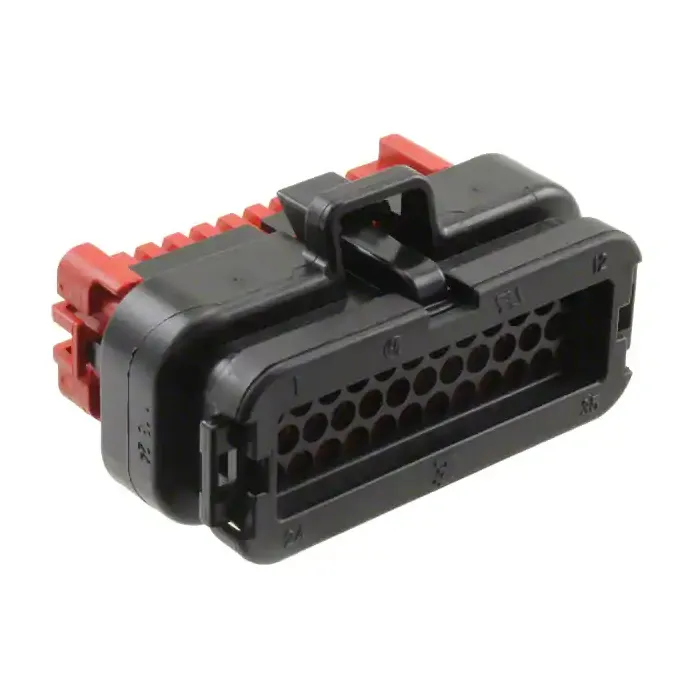
Similarly, the AMPSEAL 14pin 4.0mm Pitch Housing Wire Type and AMPSEAL 35pin 4.0mm Pitch Housing Wire Type are also designed with a good mating cycle rating. These connectors are suitable for various wiring applications, and their ability to endure repeated mating and unmating makes them a reliable choice for long - term use.
Importance of Mating Cycle in Different Applications
Automotive Industry
In the automotive industry, Ampseal connectors are used in a wide range of electrical systems, including engine management, lighting, and infotainment. These systems may require connectors to be mated and unmated during vehicle assembly, testing, and maintenance. A high mating cycle rating is essential to ensure that the connectors can withstand the rigors of these processes without developing electrical problems. For example, during a multi - stage vehicle assembly process, connectors may be connected and disconnected several times. If the mating cycle is too low, the connectors may start to fail prematurely, leading to costly repairs and potential safety issues.
Industrial Automation
In industrial automation, Ampseal connectors are used to connect sensors, actuators, and control systems. These systems often require regular maintenance and reconfiguration, which involves frequent mating and unmating of connectors. A high mating cycle rating ensures that the connectors can maintain reliable electrical connections over the long term, reducing downtime and improving overall system efficiency. For example, in a manufacturing plant, a robotic arm may have multiple connectors that need to be disconnected for maintenance or replacement of components. If the connectors have a low mating cycle, the system may experience frequent failures, disrupting production.
Ensuring Optimal Mating Cycle Performance
To ensure that Ampseal connectors achieve their maximum mating cycle, proper handling and installation are crucial. Here are some tips:
- Proper Installation: Follow the manufacturer's installation instructions carefully. This includes ensuring correct alignment of the connector halves, proper tightening of locking mechanisms, and appropriate wire termination. Incorrect installation can cause excessive stress on the contacts, reducing the mating cycle.
- Regular Inspection: Periodically inspect the connectors for signs of wear, damage, or corrosion. If any issues are detected, the connectors should be replaced promptly to prevent further problems.
- Environmental Protection: In harsh environments, use appropriate protective measures such as seals, enclosures, or coatings to shield the connectors from dust, moisture, and chemicals. This can help extend the mating cycle by reducing the rate of wear and corrosion.
Conclusion
The mating cycle of Ampseal connectors is a critical factor that determines their reliability and performance in various applications. As a supplier, we understand the importance of providing connectors with high mating cycle ratings to meet the needs of our customers. By offering a wide range of Ampseal connectors, including the AMPSEAL 35pin 4.0mm Pitch Header Vertical, AMPSEAL 14pin 4.0mm Pitch Housing Wire Type, and AMPSEAL 35pin 4.0mm Pitch Housing Wire Type, we are committed to delivering products that can withstand the demands of modern electrical systems.

If you are in the market for Ampseal connectors and need high - quality products with reliable mating cycle performance, we invite you to contact us for a detailed consultation and to discuss your procurement needs. Our team of experts is ready to assist you in finding the perfect connectors for your specific applications.
References
- Ampseal Connector Product Manuals
- Industry Standards on Connector Mating Cycles