

Hey there! As a supplier of automotive PCB connectors, I've seen firsthand how chemical exposure can really mess with these crucial components. In this blog, I'm gonna break down the impacts of chemical exposure on automotive PCB connectors and why it's super important to understand this stuff.
What Are Automotive PCB Connectors?
First off, let's quickly talk about what automotive PCB connectors are. These connectors are like the bridges that allow different electrical components in a vehicle to communicate with each other. They're used in all sorts of automotive systems, from the engine control unit to the infotainment system.
We offer a wide range of connectors, like the AMPSEAL 35pin 4.0mm Pitch Header Right Angled, AMPSEAL Terminal, and AMPSEAL 14pin 4.0mm Pitch Header Vertical. These connectors are designed to be reliable and durable, but chemical exposure can really put them to the test.
Types of Chemical Exposure
There are several types of chemicals that automotive PCB connectors might come into contact with. One of the most common is automotive fluids. Things like engine oil, transmission fluid, brake fluid, and coolant can all find their way onto connectors. These fluids are designed to lubricate, cool, and transfer power within the vehicle, but they can also have a negative impact on connectors.
Another source of chemical exposure is environmental chemicals. Pollutants in the air, such as sulfur dioxide and nitrogen oxides, can react with the materials in connectors over time. Additionally, road salts used in winter to melt ice can corrode connectors if they're not properly protected.
Impact on Electrical Performance
One of the biggest impacts of chemical exposure on automotive PCB connectors is on their electrical performance. When a connector is exposed to chemicals, it can cause corrosion on the contact surfaces. Corrosion is like a layer of rust that forms on the metal, and it can increase the resistance between the connector and the electrical component it's connected to.
This increase in resistance can lead to a drop in voltage, which means that the electrical signal might not be transmitted as effectively. In some cases, it can even cause intermittent connections, where the electrical signal cuts out for a brief moment. This can be a huge problem in automotive applications, where reliable electrical connections are essential for the proper functioning of the vehicle.
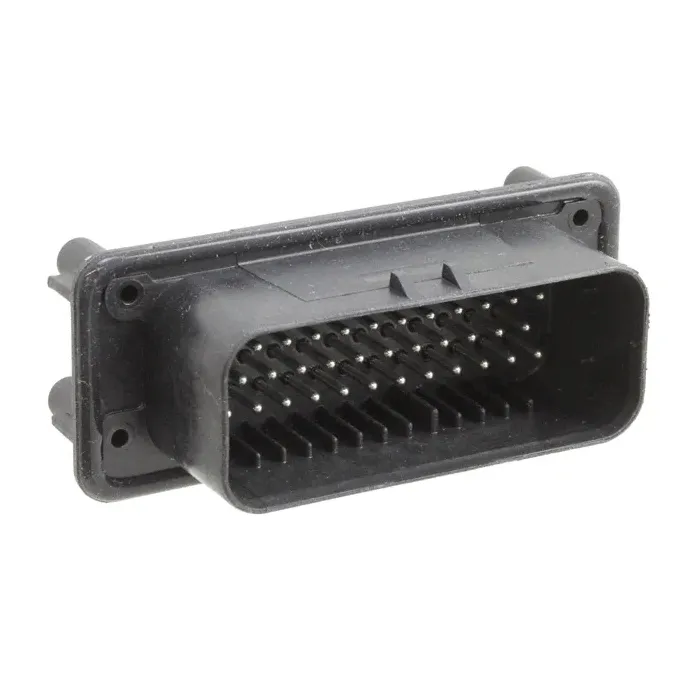

For example, if the connector in the engine control unit is corroded due to chemical exposure, it might not be able to send the correct signals to the engine. This could result in poor engine performance, reduced fuel efficiency, or even engine misfires.
Impact on Mechanical Integrity
Chemical exposure can also have a negative impact on the mechanical integrity of automotive PCB connectors. Some chemicals can cause the plastic or rubber materials used in the connectors to degrade. This can lead to cracking, swelling, or softening of the materials.
When the plastic or rubber parts of a connector degrade, it can affect the connector's ability to hold its shape and maintain a secure connection. For instance, if the housing of a connector cracks due to chemical exposure, it might not be able to protect the internal contacts properly. This can make the connector more susceptible to further damage from moisture, dust, and other environmental factors.
Impact on Long - Term Reliability
In the long run, chemical exposure can significantly reduce the reliability of automotive PCB connectors. As I mentioned earlier, corrosion and material degradation can lead to electrical and mechanical problems. Over time, these problems can get worse and eventually cause the connector to fail completely.
A failed connector can be a major headache in the automotive industry. It can lead to costly repairs, vehicle downtime, and even safety issues. For example, if a connector in the airbag system fails, it could prevent the airbag from deploying in the event of a crash.
Preventive Measures
So, what can we do to prevent the negative impacts of chemical exposure on automotive PCB connectors? One of the most effective ways is to use protective coatings. These coatings can act as a barrier between the connector and the chemicals, preventing them from coming into direct contact.
Another important preventive measure is proper installation and maintenance. Connectors should be installed in a way that minimizes their exposure to chemicals. For example, they should be located in areas where they're less likely to come into contact with automotive fluids. Regular maintenance, such as cleaning and inspection, can also help to detect and address any early signs of chemical damage.
Why Choose Our Connectors?
At our company, we understand the importance of chemical resistance in automotive PCB connectors. That's why we use high - quality materials and advanced manufacturing processes to ensure that our connectors can withstand chemical exposure.
Our AMPSEAL 35pin 4.0mm Pitch Header Right Angled, AMPSEAL Terminal, and AMPSEAL 14pin 4.0mm Pitch Header Vertical are designed with chemical resistance in mind. We've conducted extensive testing to make sure that they can perform well in harsh automotive environments.
Contact Us for Procurement
If you're in the market for high - quality automotive PCB connectors that can stand up to chemical exposure, we'd love to hear from you. We have a team of experts who can help you choose the right connectors for your specific application. Whether you're working on a small automotive project or a large - scale production, we've got the connectors you need.
Don't hesitate to reach out to us to start a procurement discussion. We're committed to providing you with the best products and services in the industry.
References
- "Automotive Electrical and Electronic Systems" by William D. Hendricks
- "Corrosion and Protection of Metals" by George S. Frankel
- Industry reports on automotive connector reliability and chemical resistance.