

In the dynamic landscape of the automotive industry, power connectors play a pivotal role in ensuring seamless electrical connectivity. As a seasoned automotive power connector supplier, I've witnessed firsthand the evolution and diversification of these essential components. One of the most common questions we encounter is about the difference between high - speed and low - speed automotive power connectors. In this blog, I'll delve into the intricacies of these two types of connectors, shedding light on their unique features, applications, and performance characteristics.
1. Electrical Performance
The most fundamental difference between high - speed and low - speed automotive power connectors lies in their electrical performance. High - speed connectors are designed to transmit data and power at extremely high frequencies, often in the range of several gigahertz. This requires them to have low signal loss, high impedance matching, and excellent electromagnetic compatibility (EMC). For example, in modern automotive infotainment systems, high - speed connectors are used to transfer high - definition video and audio signals between various components such as the head unit, display, and rear - seat entertainment systems.
On the other hand, low - speed connectors are suitable for applications where the data transfer rate is relatively low. They are typically used for power distribution, sensor connections, and other functions that do not require high - frequency signal transmission. Low - speed connectors can handle lower current and voltage levels, and their design focuses more on reliability and durability rather than high - speed performance. For instance, in a traditional automotive lighting system, low - speed connectors are used to connect the bulbs to the power source.
2. Physical Design
The physical design of high - speed and low - speed automotive power connectors also varies significantly. High - speed connectors often have a more complex design to meet the requirements of high - frequency signal transmission. They may feature specialized shielding structures to reduce electromagnetic interference (EMI) and crosstalk between adjacent pins. The pin layout is carefully optimized to minimize signal distortion and ensure proper impedance matching. Additionally, high - speed connectors usually have a smaller form factor to accommodate the increasing density of electronic components in modern vehicles.
In contrast, low - speed connectors have a simpler physical design. They are generally larger in size and have a more straightforward pin arrangement. The focus of their design is on providing a secure and reliable connection. Low - speed connectors often have robust housing materials and locking mechanisms to prevent accidental disconnection, especially in harsh automotive environments. For example, connectors used in engine compartments need to withstand high temperatures, vibrations, and moisture.
3. Manufacturing Process
The manufacturing process for high - speed and low - speed automotive power connectors is quite different. High - speed connectors require more precise manufacturing techniques to ensure the accuracy of their electrical and mechanical properties. The production of high - speed connectors involves advanced machining, plating, and assembly processes. For example, the pins of high - speed connectors need to be precisely machined to ensure a consistent diameter and surface finish, which is crucial for maintaining proper electrical contact.
Low - speed connectors, on the other hand, can be manufactured using more traditional and cost - effective methods. The manufacturing process for low - speed connectors is less complex and requires less precision. This allows for a higher production volume and lower manufacturing costs. However, even though the manufacturing process is simpler, strict quality control measures are still in place to ensure the reliability of low - speed connectors.
4. Cost
Cost is another significant factor that differentiates high - speed and low - speed automotive power connectors. High - speed connectors are generally more expensive due to their complex design, advanced manufacturing processes, and high - performance requirements. The specialized materials and components used in high - speed connectors also contribute to their higher cost. For automotive manufacturers, the cost of high - speed connectors can be a significant consideration, especially when designing cost - sensitive vehicles.
Low - speed connectors, on the other hand, are more cost - effective. Their simpler design and manufacturing process result in lower production costs. This makes them a popular choice for applications where high - speed performance is not required, such as in older vehicle models or in less critical automotive systems.
5. Applications
The applications of high - speed and low - speed automotive power connectors are distinct based on their performance characteristics. High - speed connectors are mainly used in advanced automotive systems that require high - speed data transfer. Some of the key applications include:
- Infotainment Systems: As mentioned earlier, high - speed connectors are essential for transmitting high - definition video and audio signals in automotive infotainment systems. They ensure a seamless user experience by providing high - quality media playback.
- Advanced Driver - Assistance Systems (ADAS): ADAS technologies such as radar, lidar, and camera systems rely on high - speed connectors to transfer large amounts of data in real - time. These connectors enable the accurate detection and analysis of the vehicle's surroundings, enhancing safety and driving convenience.
- Autonomous Driving: In autonomous vehicles, high - speed connectors are used to connect various sensors, processors, and actuators. They play a crucial role in enabling the vehicle to make intelligent decisions based on the data collected from its environment.
Low - speed connectors, on the other hand, are widely used in a variety of automotive applications, including:
- Power Distribution: Low - speed connectors are used to distribute electrical power throughout the vehicle. They connect the battery, alternator, and various electrical components such as lights, fans, and motors.
- Sensor Connections: Automotive sensors such as temperature sensors, pressure sensors, and position sensors are typically connected using low - speed connectors. These connectors provide a reliable connection for the sensor signals to be transmitted to the vehicle's control unit.
- Interior and Exterior Lighting: Low - speed connectors are used to connect the lighting systems in the vehicle, including headlights, taillights, and interior lights. They ensure a stable power supply for the lights to function properly.
Our Product Offerings
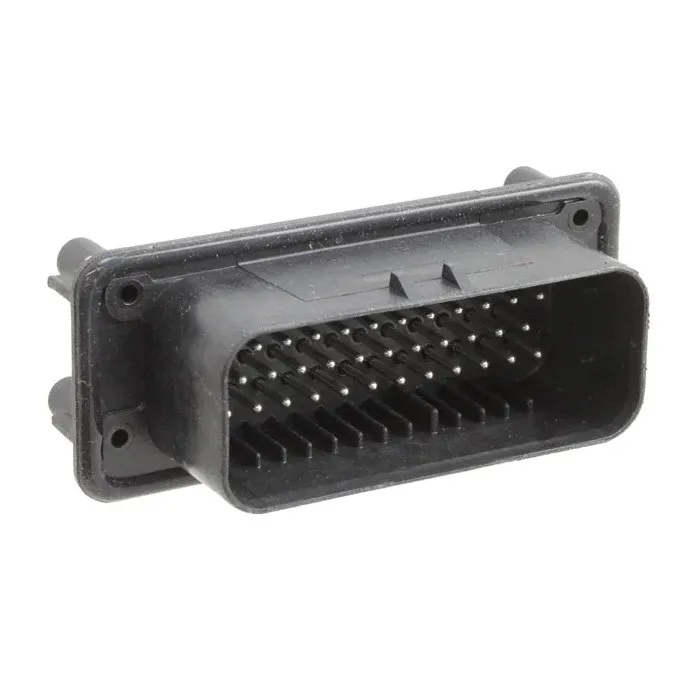
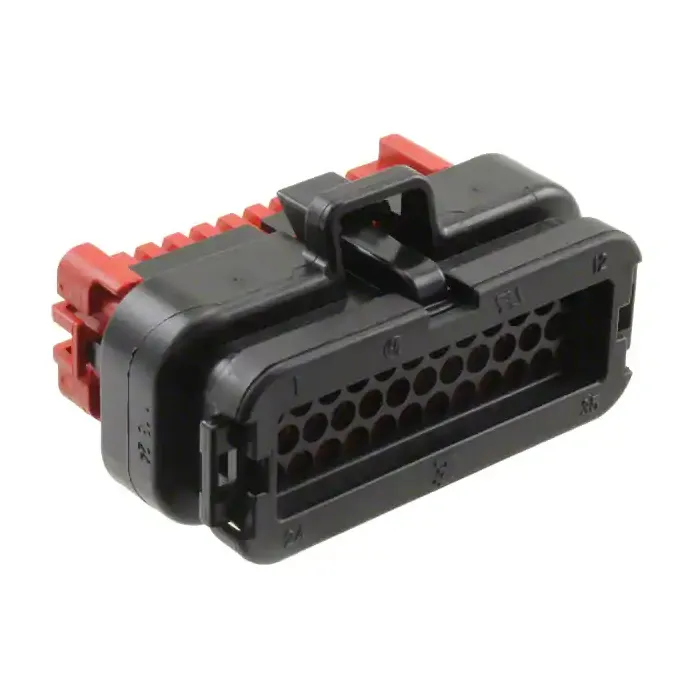
As an automotive power connector supplier, we offer a wide range of high - speed and low - speed connectors to meet the diverse needs of our customers. Our product portfolio includes high - quality connectors such as the AMPSEAL 14pin 4.0mm Pitch Header Vertical, AMPSEAL 8pin 4.0mm Pitch Header Vertical, and AMPSEAL 14pin 4.0mm Pitch Housing Wire Type. These connectors are designed to provide reliable performance in various automotive applications, whether it's high - speed data transfer or low - speed power distribution.
Conclusion
In conclusion, the difference between high - speed and low - speed automotive power connectors is significant in terms of electrical performance, physical design, manufacturing process, cost, and applications. Understanding these differences is crucial for automotive manufacturers and designers to select the right connectors for their specific needs. At our company, we are committed to providing high - quality connectors that meet the highest standards of performance and reliability. If you are in the market for automotive power connectors, we invite you to contact us for procurement and negotiation. Our team of experts will be happy to assist you in finding the perfect connectors for your automotive applications.
References
- "Automotive Electrical and Electronic Systems" by Thomas G. Brown
- "High - Speed Digital Design: A Handbook of Black Magic" by Howard W. Johnson and Martin Graham
- Industry reports and whitepapers on automotive connectors from leading research firms.