

When it comes to the automotive industry, every component plays a crucial role in ensuring the safety, performance, and reliability of vehicles. Among these components, automotive firewall connectors are of particular significance. As a leading automotive firewall connector supplier, I understand the importance of torque requirements in fastening these connectors. In this blog post, I will delve into the torque requirements for fastening automotive firewall connectors, exploring why they matter, how they are determined, and the implications of incorrect torque application.
Why Torque Requirements Matter
Torque is the rotational force applied to a fastener, such as a bolt or a screw, to achieve a specific level of tightness. In the context of automotive firewall connectors, proper torque application is essential for several reasons.
Firstly, it ensures a secure electrical connection. Automotive firewall connectors are responsible for transmitting electrical signals and power between different parts of the vehicle. A loose connection can lead to increased resistance, which in turn can cause overheating, voltage drops, and intermittent electrical problems. These issues can affect the performance of various vehicle systems, including the engine, transmission, and safety features.
Secondly, proper torque helps to prevent moisture and contaminants from entering the connector. The firewall is a barrier that separates the engine compartment from the passenger compartment, and it is exposed to harsh environmental conditions, such as heat, vibration, and moisture. A well - tightened connector provides a better seal, protecting the electrical contacts from corrosion and damage caused by moisture and contaminants.
Finally, correct torque application is crucial for the long - term durability of the connector. Over - tightening can cause damage to the connector housing, threads, or electrical contacts, while under - tightening can lead to loosening over time due to vibration and thermal cycling.
Determining Torque Requirements
The torque requirements for fastening automotive firewall connectors are determined by several factors, including the type of connector, the size and material of the fasteners, and the specific application.
Connector Type
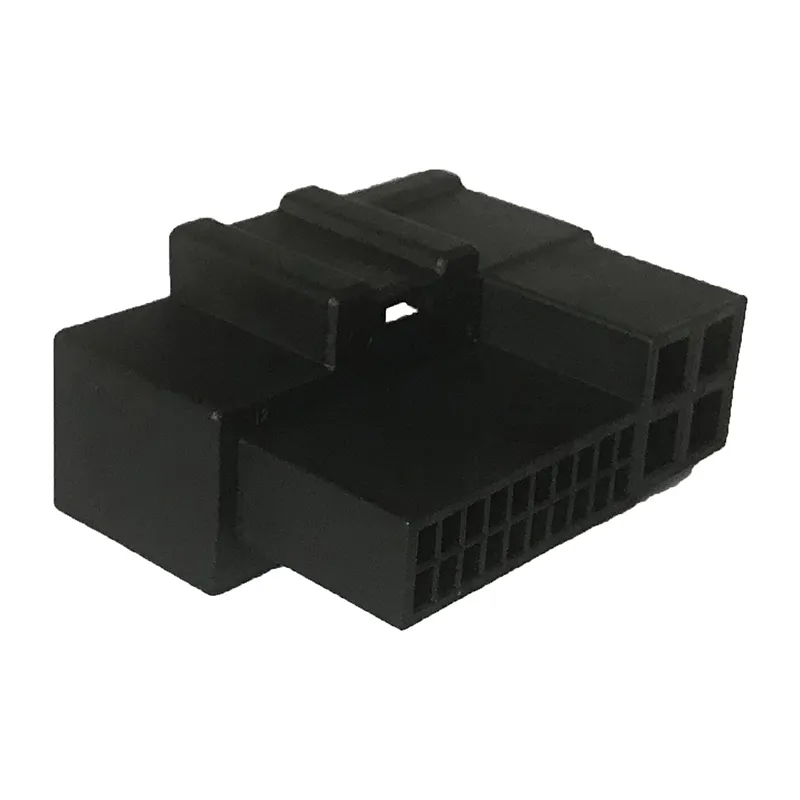
Different types of automotive firewall connectors have different torque requirements. For example, a 20 Pin Right Angle Automotive Socket may have different torque specifications compared to a 24Pin Automobile Wire Harness Plug or a 4.0mm Pitch 35pin ECU Connector. The design of the connector, including the number of pins, the shape of the housing, and the type of locking mechanism, can influence the amount of torque needed to achieve a proper connection.
Fastener Size and Material
The size and material of the fasteners used to secure the connector also play a significant role in determining the torque requirements. Larger fasteners generally require more torque to achieve the same level of tightness as smaller ones. Additionally, different materials have different strength properties, which can affect the torque needed. For example, steel fasteners may require a different torque value compared to aluminum or plastic fasteners.
Application - Specific Requirements
The specific application of the connector can also impact the torque requirements. For instance, connectors used in high - vibration areas, such as near the engine or transmission, may require higher torque values to prevent loosening. Similarly, connectors in areas exposed to extreme temperatures may need to be tightened to a specific torque to ensure a reliable connection under thermal cycling conditions.
Industry Standards and Guidelines
The automotive industry has established standards and guidelines for torque requirements to ensure the safety and reliability of vehicle components. These standards are developed by organizations such as the Society of Automotive Engineers (SAE) and the International Organization for Standardization (ISO).
SAE standards provide detailed specifications for torque values based on the type of fastener, the material, and the application. For example, SAE J1115 provides guidelines for the installation of electrical connectors in automotive applications, including torque requirements. ISO standards, on the other hand, offer a more global perspective on automotive component standards and can also be used as a reference for determining torque values.
It is important for automotive manufacturers and suppliers to follow these standards and guidelines to ensure that their products meet the required quality and safety levels. As a supplier of automotive firewall connectors, we adhere to these industry standards and provide our customers with detailed torque specifications for each of our products.
Measuring and Applying Torque
To ensure that the correct torque is applied when fastening automotive firewall connectors, it is essential to use the right tools and techniques.
Torque Wrenches
A torque wrench is a specialized tool that allows the user to apply a specific amount of torque to a fastener. There are different types of torque wrenches, including click - type, beam - type, and digital torque wrenches. Click - type torque wrenches are the most commonly used in automotive applications. They emit a clicking sound when the preset torque value is reached, indicating that the fastener has been tightened to the correct level.

Torque Screwdrivers
For smaller connectors and fasteners, torque screwdrivers can be used. These tools are similar to torque wrenches but are designed for use with screws. They also allow for precise torque application and are available in different torque ranges.
Installation Procedures
In addition to using the right tools, following the correct installation procedures is crucial. This includes cleaning the fastener and the connector surfaces, using the appropriate thread lubricant (if recommended), and tightening the fasteners in a specific sequence. For example, when using multiple fasteners to secure a connector, it is often recommended to tighten them in a cross - pattern to ensure even distribution of the torque.
Consequences of Incorrect Torque
Applying incorrect torque when fastening automotive firewall connectors can have serious consequences.
Over - Tightening
Over - tightening can cause damage to the connector housing, threads, or electrical contacts. It can lead to cracking of the housing, stripping of the threads, or deformation of the contacts. This can result in a poor electrical connection, increased resistance, and potential failure of the connector. In some cases, over - tightening can also cause the fastener to break, making it difficult to remove or replace the connector.
Under - Tightening
Under - tightening can lead to a loose connection, which can cause intermittent electrical problems, increased resistance, and overheating. A loose connector is also more likely to allow moisture and contaminants to enter, leading to corrosion and damage over time. Additionally, vibration can cause the fastener to loosen further, increasing the risk of a complete disconnection.
Conclusion
In conclusion, the torque requirements for fastening automotive firewall connectors are a critical aspect of ensuring the safety, performance, and reliability of vehicles. As a supplier of automotive firewall connectors, we understand the importance of providing our customers with high - quality products and accurate torque specifications.
By following industry standards and guidelines, using the right tools and techniques, and applying the correct torque, automotive manufacturers and repair technicians can ensure that the connectors are installed correctly and will function properly over the long term.
If you are in the market for automotive firewall connectors or have any questions about torque requirements, please feel free to contact us for more information and to discuss your specific needs. We are committed to providing you with the best solutions for your automotive connector requirements.
References
- Society of Automotive Engineers (SAE), SAE J1115 - Electrical Connector Installation in Automotive Applications
- International Organization for Standardization (ISO) relevant automotive standards
- Automotive component manufacturers' technical documentation