

As a supplier of box headers, I've been deeply involved in the industry for quite some time. In this blog, I'll delve into the environmental impacts of box headers, exploring both the challenges and potential solutions.
1. Manufacturing Process and Resource Consumption
The production of box headers involves several steps that consume a significant amount of resources. First, raw materials such as metals (e.g., copper, brass) and plastics are essential. Copper is widely used for its excellent electrical conductivity, while plastics are used for insulation and housing.
Mining for these metals has a substantial environmental footprint. It often leads to deforestation, soil erosion, and water pollution. For example, the extraction of copper can release heavy metals and acidic wastewater into nearby water bodies, harming aquatic life and contaminating drinking water sources. Moreover, the energy required for mining, refining, and processing these metals is considerable. Most of this energy comes from non - renewable sources like coal and natural gas, contributing to greenhouse gas emissions.
In the case of plastics, the production process starts with the extraction of fossil fuels. The manufacturing of plastic components for box headers involves complex chemical reactions that require high temperatures and pressures, consuming large amounts of energy. Additionally, many plastics are derived from non - biodegradable polymers, which pose long - term environmental problems when they end up in landfills or the environment.

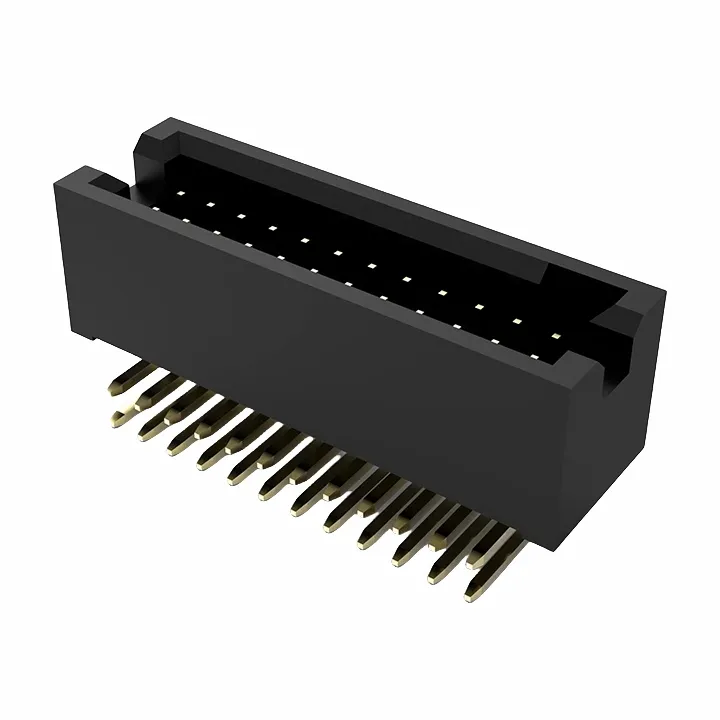
2. Chemical Usage in Production
During the manufacturing of box headers, various chemicals are used for processes such as plating, soldering, and cleaning. Plating is often done to improve the corrosion resistance and appearance of the metal parts. For instance, nickel and gold plating are common. However, the chemicals used in plating baths, such as cyanide - based solutions, are highly toxic. If not properly managed, these chemicals can leak into the environment, causing severe damage to ecosystems and human health.
Soldering is another critical process in box header production. Traditional solders contain lead, which is a well - known toxic substance. Lead can accumulate in the human body over time, causing neurological damage, especially in children. Although there has been a shift towards lead - free solders in recent years due to environmental regulations, the transition is not yet complete, and some older production processes may still involve lead - based solders.
Cleaning agents used to remove contaminants from the box headers also pose environmental risks. Many of these agents are volatile organic compounds (VOCs), which can contribute to air pollution and the formation of ground - level ozone.
3. Packaging and Transportation
Box headers are typically packaged in plastic bags or boxes for protection during transportation. The excessive use of single - use plastics in packaging is a major environmental concern. These plastics often end up in landfills, where they can take hundreds of years to decompose. Moreover, the production and disposal of these plastics contribute to the overall carbon footprint of the product.
Transportation is another aspect that impacts the environment. Box headers are often shipped globally to reach customers. The use of trucks, ships, and airplanes for transportation consumes large amounts of fossil fuels, emitting significant amounts of carbon dioxide and other pollutants. The longer the distance of transportation, the greater the environmental impact.
4. End - of - Life Disposal
When box headers reach the end of their useful life, they are often discarded. If not properly recycled, they can end up in landfills, where the metals and plastics can leach into the soil and groundwater. The heavy metals in the box headers, such as lead and cadmium, can contaminate the environment and pose a threat to human health.
Recycling box headers is a viable solution, but it is not without challenges. The separation of different materials, such as metals and plastics, requires specialized equipment and processes. Additionally, the collection and sorting of used box headers can be difficult, especially in regions with limited recycling infrastructure.
5. Our Efforts as a Supplier
As a box header supplier, we are well - aware of these environmental challenges and are taking steps to mitigate them.
Raw Material Sourcing
We are committed to sourcing raw materials from suppliers who follow sustainable mining and manufacturing practices. For example, we are looking for copper suppliers who use more energy - efficient mining methods and have proper environmental management systems in place. We are also exploring the use of recycled metals and plastics in our production processes. By using recycled materials, we can reduce the demand for virgin resources and minimize the environmental impact of extraction.
Green Manufacturing Processes
We have invested in research and development to find more environmentally friendly production methods. For instance, we have transitioned to lead - free solders in all our production lines. We are also working on reducing the use of toxic chemicals in plating and cleaning processes. By using alternative, less - toxic chemicals, we can protect the environment and the health of our workers.
Packaging Innovation
We are exploring ways to reduce the use of single - use plastics in our packaging. We are considering the use of biodegradable or recyclable materials, such as paper - based packaging. Additionally, we are optimizing the packaging design to reduce the amount of material used while still providing adequate protection for the box headers.
Recycling Initiatives
We are actively promoting the recycling of our box headers. We have established a take - back program, where customers can return their used box headers to us. We then ensure that these products are properly recycled, separating the different materials and reusing them in our production processes.
6. Product Highlights
We offer a wide range of high - quality box headers, including the 1.27mm Box Header Male Double Row Right Angle DIP2, the 1.27mm Box Header Male Double Row Straight Stacker, and the 1.27mm Box Header Double Row Straight. These products are not only designed to meet the highest industry standards in terms of performance but also with environmental considerations in mind.
7. Contact for Procurement
If you are interested in our box headers or have any questions about our environmental initiatives, please feel free to contact us for procurement and further discussions. We are eager to work with you to find the best solutions for your needs while minimizing the environmental impact.
References
- "Environmental Impact of Electronics Manufacturing" by Electronics Industry Citizenship Coalition.
- "Sustainable Materials Management: The Road Ahead" by the United Nations Environment Programme.
- "Recycling of Electronic Waste: A Review" by Journal of Hazardous Materials.