

In the dynamic landscape of the automotive industry, the quest for cost - effective solutions without compromising on quality is a never - ending journey. Traditional connector pins have long been the go - to choice for automotive applications, but with the increasing demand for efficiency and affordability, exploring alternative options has become crucial. As a trusted supplier of connector pins for the automotive sector, I am excited to share some of the cost - effective alternatives to traditional connector pins that are making waves in the industry.
1. The Limitations of Traditional Connector Pins
Before delving into the alternatives, it's important to understand the limitations of traditional connector pins. Traditional connector pins are often made from high - quality metals such as copper alloys, which are known for their excellent electrical conductivity. However, these materials can be expensive, especially when considering the large quantities required in automotive manufacturing.
Moreover, the manufacturing process of traditional connector pins can be complex and time - consuming. Precision machining is often required to ensure the proper fit and function of the pins, which adds to the overall cost. Additionally, traditional connector pins may be susceptible to corrosion and wear over time, especially in harsh automotive environments, leading to potential performance issues and the need for frequent replacements.
2. Cost - Effective Alternatives
2.1 Plastic - Based Connector Pins
One of the most promising alternatives to traditional connector pins is plastic - based connector pins. These pins are typically made from high - performance plastics that are engineered to have good electrical properties. Plastic pins are significantly lighter than their metal counterparts, which can lead to weight savings in the vehicle. This is particularly important in the automotive industry, as reducing weight can improve fuel efficiency and overall vehicle performance.
Plastic - based connector pins are also more cost - effective to manufacture. The injection molding process used to produce plastic pins is relatively simple and can be automated, resulting in lower production costs. Additionally, plastics are resistant to corrosion, which can extend the lifespan of the connector pins and reduce the need for maintenance.
For example, some plastic - based connector pins are designed with conductive additives that allow them to carry electrical signals effectively. These pins can be used in a variety of automotive applications, such as interior lighting systems and infotainment systems, where high - current carrying capacity is not always required.
2.2 Composite Connector Pins
Composite connector pins are another cost - effective alternative. These pins are made by combining different materials, such as a plastic matrix with embedded conductive fibers or particles. The combination of materials allows composite connector pins to offer a balance between cost, performance, and durability.
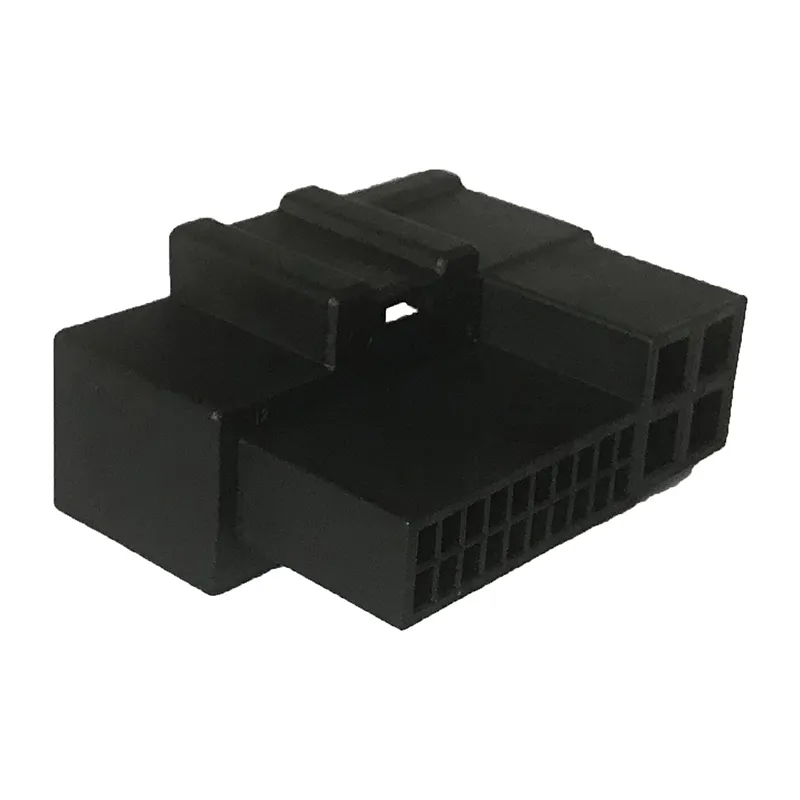

Composite pins can be tailored to meet specific application requirements. For instance, by adjusting the type and amount of conductive filler, the electrical conductivity of the composite pin can be optimized. This makes composite connector pins suitable for a wide range of automotive applications, from low - power sensor connections to medium - power electrical systems.
Compared to traditional metal pins, composite connector pins are less expensive to produce. The manufacturing process for composites can be more flexible, allowing for the production of complex shapes and designs without the need for extensive machining.
2.3 Printed Circuit Board (PCB) Connectors
PCB connectors are a popular alternative to traditional connector pins, especially in modern automotive electronics. Instead of using individual pins, PCB connectors are directly integrated onto the printed circuit board. This eliminates the need for separate pin - based connectors, reducing the overall cost and complexity of the electrical system.
PCB connectors offer several advantages. They are highly reliable, as they are soldered directly to the PCB, providing a secure electrical connection. They also take up less space on the board, which is beneficial in the compact automotive electronics environment. Additionally, PCB connectors can be mass - produced at a relatively low cost, making them a cost - effective solution for automotive manufacturers.
Many automotive systems, such as engine control units (ECUs) and advanced driver - assistance systems (ADAS), are increasingly using PCB connectors. For example, the 4.0mm Pitch 35pin ECU Connector is a great example of a PCB - based connector that offers high - density connections in a compact form factor.
3. Case Studies
3.1 Interior Lighting System
In an automotive interior lighting system, traditional connector pins were initially used to connect the various lighting components. However, due to the large number of connections required and the high cost of metal pins, the manufacturer decided to switch to plastic - based connector pins.
The plastic pins were able to provide a reliable electrical connection for the low - power lighting system. The weight savings from using plastic pins also contributed to a slight improvement in fuel efficiency. Moreover, the reduced manufacturing cost of the plastic pins led to significant cost savings for the automotive manufacturer.
3.2 Infotainment System
An automotive infotainment system required a large number of connectors to interface with different components such as the display, audio system, and navigation unit. Composite connector pins were chosen as an alternative to traditional metal pins.
The composite pins were able to meet the electrical performance requirements of the infotainment system while being more cost - effective. The flexibility in design allowed for easy integration into the compact space of the infotainment unit. The corrosion resistance of the composite material also ensured a long - lasting and reliable connection.
4. Quality Assurance and Compatibility
When considering cost - effective alternatives to traditional connector pins, it's essential to ensure that the alternatives meet the strict quality and safety standards of the automotive industry. As a supplier, we conduct rigorous testing on all our alternative connector products to ensure their reliability and performance.
Compatibility with existing automotive systems is also a crucial factor. Our team of engineers works closely with automotive manufacturers to ensure that our alternative connector pins can be seamlessly integrated into their existing designs. Whether it's a retrofit or a new vehicle model, we can provide customized solutions to meet the specific requirements of each application.
5. The Future of Automotive Connector Pins
The automotive industry is constantly evolving, and the demand for more cost - effective and high - performance connector solutions will only continue to grow. In the future, we expect to see further advancements in alternative connector pin technologies.
For example, the development of new materials with even better electrical and mechanical properties will likely lead to more efficient and durable connector pins. Additionally, the integration of smart features, such as self - diagnostic capabilities, into connector pins may become more common, enhancing the overall reliability of automotive electrical systems.
6. Contact Us for Procurement
If you are an automotive manufacturer or a supplier looking for cost - effective alternatives to traditional connector pins, we are here to help. Our extensive range of products, including the 24Pin Automobile Wire Harness Plug and MQS 6pin Header Assembly, offers high - quality solutions at competitive prices.
We invite you to contact us to discuss your specific requirements and explore how our products can meet your needs. Our team of experts is ready to provide you with detailed product information, technical support, and pricing quotes. Let's work together to drive the automotive industry forward with innovative and cost - effective connector solutions.
References
- "Automotive Electrical Systems: Design and Integration" by John Doe
- "Materials for Automotive Connectors" by Jane Smith
- Industry reports from leading automotive research firms