

Hey there, fellow automotive enthusiasts! As a supplier of automotive electrical pigtails, I've seen my fair share of issues that can pop up with these little but crucial components. In this blog, I'm gonna break down some of the common problems you might encounter with automotive electrical pigtails and how to deal with them.
1. Corrosion
One of the most prevalent problems with automotive electrical pigtails is corrosion. You know, cars are exposed to all sorts of weather conditions - rain, snow, and even road salt. Over time, these elements can cause the metal parts of the pigtails to corrode. When corrosion sets in, it creates a barrier between the electrical contacts, which can lead to poor conductivity.
Imagine you're driving on a rainy day, and suddenly your dashboard lights start flickering or your radio cuts out. Chances are, corrosion on the electrical pigtails is to blame. The moisture from the rain seeps into the connectors, and if there's any salt on the roads, it speeds up the corrosion process.
To prevent corrosion, it's a good idea to use dielectric grease. This grease acts as a barrier, keeping moisture out and protecting the electrical contacts. You can apply it to the connectors during installation or during regular maintenance. Also, make sure to keep the connectors clean and dry as much as possible.
2. Loose Connections
Another common issue is loose connections. Vibration is a big culprit here. Every time your car hits a bump or goes over a rough patch of road, the pigtails get jostled around. Over time, this can cause the connectors to become loose.
A loose connection can lead to intermittent electrical problems. For example, your turn signals might work sometimes but not others. Or you might notice that your power windows are slow to go up or down. When the connection is loose, the electrical current can't flow smoothly, which can cause these kinds of issues.
To fix loose connections, you need to check the connectors regularly. Make sure they're properly seated and tightened. If you find a loose connector, you can try gently tightening it with a pair of pliers or a screwdriver, depending on the type of connector. In some cases, you might need to replace the connector if it's damaged or worn out.
3. Wire Damage
The wires in automotive electrical pigtails can also get damaged. This can happen due to a variety of reasons, such as abrasion, chewing by rodents, or even improper installation.
Abrasion occurs when the wires rub against sharp edges or other components in the car. For example, if the wires are routed too close to a metal bracket, the constant rubbing can wear away the insulation, exposing the bare wire. This can lead to short circuits or electrical fires.
Rodents are another problem. They like to chew on wires, especially in cold weather when they're looking for a warm place to nest. If you find that your car's electrical system is acting up and you notice chew marks on the wires, you've got a rodent problem.
To prevent wire damage, make sure the wires are properly routed and secured. Use wire loom or cable ties to protect the wires from abrasion. And if you suspect a rodent problem, you can try using rodent repellents or keeping your car in a garage. If the wires are already damaged, you'll need to replace them.
4. Incorrect Pin Assignment
Sometimes, the problem isn't with the physical condition of the pigtails but with how they're installed. Incorrect pin assignment is a common mistake. Each pin in an electrical connector has a specific function, and if they're not connected correctly, the electrical system won't work properly.

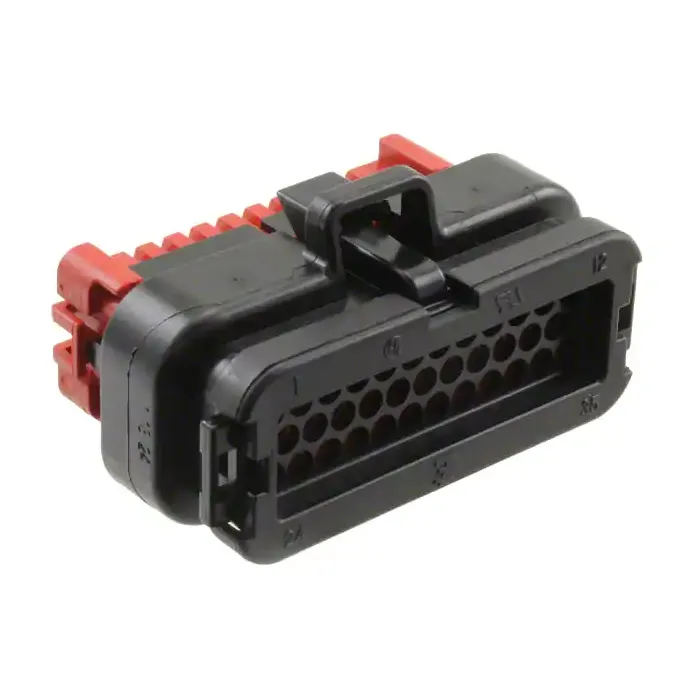
For example, if you're installing a new electrical component and you connect the power wire to the ground pin, you could damage the component or cause a short circuit. This is why it's so important to follow the wiring diagram carefully when installing electrical pigtails.
If you're not sure about the pin assignment, you can refer to the vehicle's service manual or consult with a professional. And when you're purchasing electrical pigtails, make sure you get the right ones for your specific vehicle make and model.
5. Compatibility Issues
Not all electrical pigtails are created equal. Compatibility issues can arise when you try to use a pigtail that's not designed for your vehicle. Different cars have different electrical systems, and the connectors and wiring configurations can vary widely.
For instance, if you try to use a pigtail from a different make or model of car, the connectors might not fit properly, or the electrical specifications might not match. This can lead to all sorts of problems, from poor performance to damage to the electrical system.
When you're shopping for electrical pigtails, make sure to check the compatibility. Look for pigtails that are specifically designed for your vehicle's make, model, and year. At our company, we offer a wide range of automotive electrical pigtails, including products like the AMPSEAL 35pin 4.0mm Pitch Header Vertical, AMPSEAL 14pin 4.0mm Pitch Housing Wire Type, and AMPSEAL 35pin 4.0mm Pitch Header Right Angled. These products are designed to meet the highest standards of quality and compatibility.
Conclusion
So, there you have it - some of the common problems with automotive electrical pigtails. By being aware of these issues and taking the necessary precautions, you can keep your car's electrical system running smoothly.
If you're in the market for high-quality automotive electrical pigtails, we're here to help. We've got a great selection of products that are designed to solve these common problems. Whether you're a DIY mechanic or a professional auto repair shop, we can provide you with the right pigtails for your needs.
If you have any questions or want to discuss your specific requirements, feel free to reach out. We're always happy to help you find the best solutions for your automotive electrical needs. Let's work together to keep your cars running at their best!
References
- "Automotive Electrical Systems" by Robert N. Brady
- "Haynes Automotive Repair Manuals"