

As a supplier of champ connectors, I understand the paramount importance of ensuring these connectors remain secure and stable in various applications. Loose champ connectors can lead to a multitude of issues, including signal loss, intermittent connections, and even system failures. In this blog post, I will share some effective strategies on how to prevent champ connectors from loosening.
Understanding the Causes of Loosening
Before delving into prevention methods, it's crucial to understand why champ connectors may become loose. Several factors can contribute to this problem:
- Vibration and Mechanical Stress: In environments where there is constant vibration or mechanical movement, such as in industrial machinery or automotive applications, champ connectors are prone to loosening over time. The continuous shaking can gradually loosen the connection between the connector and its mating component.
- Thermal Expansion and Contraction: Temperature fluctuations can cause materials to expand and contract. If the champ connector and its mating part have different coefficients of thermal expansion, this can lead to stress on the connection, potentially causing it to loosen.
- Improper Installation: Incorrect installation is a common cause of loose connectors. If the connector is not properly aligned, seated, or tightened during installation, it may not form a secure connection, making it more likely to loosen later.
- Wear and Tear: Over time, the repeated insertion and removal of connectors can cause wear on the contact surfaces and locking mechanisms. This wear can reduce the effectiveness of the connection and increase the likelihood of loosening.
Prevention Strategies
1. Proper Installation
- Alignment: Ensure that the champ connector and its mating component are properly aligned before insertion. Misalignment can cause uneven stress on the connector, leading to loosening. Use alignment guides or fixtures if necessary to ensure accurate alignment.
- Seating: Make sure the connector is fully seated in its mating component. This may require applying gentle pressure or using a tool to ensure a proper fit. A partially seated connector is more likely to loosen.
- Tightening: If the connector has a locking mechanism, such as a screw or clip, ensure it is tightened securely. Follow the manufacturer's recommended torque specifications to avoid over - or under - tightening. Over - tightening can damage the connector, while under - tightening can result in a loose connection.
2. Use of Locking Mechanisms
- Screw - Lock Connectors: For connectors with screw - lock mechanisms, ensure that the screws are tightened to the appropriate torque. Some screw - lock connectors may also have a locking washer or nut to prevent the screw from loosening due to vibration.
- Snap - Lock Connectors: Snap - lock connectors rely on a mechanical snap to hold the connection in place. Check that the snap is properly engaged and that there is no damage to the snap mechanism. If the snap is loose or damaged, replace the connector.
- Latch - Type Connectors: Latch - type connectors use a latch to secure the connection. Make sure the latch is fully engaged and that there is no interference preventing it from locking properly.
3. Vibration Damping
- Shock Absorbers: In applications with high levels of vibration, consider using shock absorbers or vibration - damping materials. These can help reduce the impact of vibration on the connector, preventing it from loosening. For example, rubber pads or mounts can be used to isolate the connector from the source of vibration.
- Potting and Encapsulation: Potting the connector in a suitable compound can provide additional mechanical support and vibration damping. Encapsulation can also protect the connector from environmental factors such as dust, moisture, and chemicals.
4. Thermal Management
- Thermal Insulation: In applications where temperature fluctuations are significant, use thermal insulation materials to reduce the impact of thermal expansion and contraction on the connector. This can help maintain a stable connection over a wide temperature range.
- Heat Sinks: If the connector is exposed to high temperatures, consider using heat sinks to dissipate heat. This can prevent the connector from overheating, which can cause the materials to expand and potentially loosen the connection.
5. Regular Inspection and Maintenance
- Visual Inspection: Regularly inspect the champ connectors for signs of wear, damage, or loosening. Look for any visible signs of misalignment, corrosion, or damage to the contact surfaces. If any issues are detected, take appropriate action, such as replacing the connector or tightening the locking mechanism.
- Contact Cleaning: Over time, dirt, dust, and oxidation can accumulate on the contact surfaces of the connector, which can affect the electrical connection and increase the likelihood of loosening. Clean the contact surfaces regularly using a suitable cleaning agent and a soft brush or cloth.
Product Recommendations
As a champ connector supplier, we offer a range of high - quality connectors designed to provide secure and reliable connections. Some of our popular products include:
- Champ 100pin Connector Socket: This connector socket is designed for applications requiring a high number of pins. It features a robust design and a reliable locking mechanism to prevent loosening.
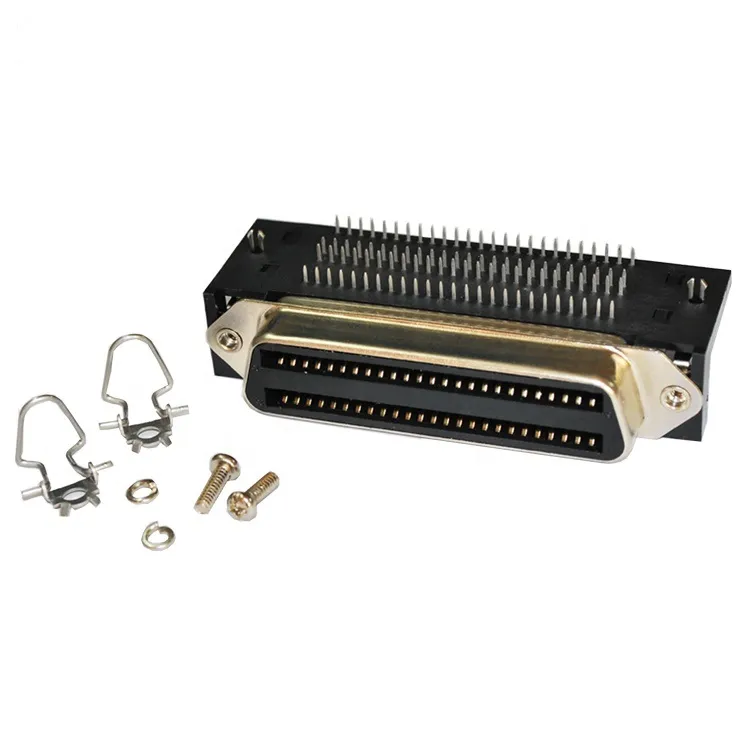
- Champ 64 Pin Connector With Metal Shell: The metal shell provides additional mechanical protection and shielding. It is suitable for applications where durability and electromagnetic interference (EMI) protection are required.
- Delander 64pin Connector PCB Type: This PCB - type connector is designed for easy installation on printed circuit boards. It has a secure locking mechanism to ensure a stable connection.
Conclusion
Preventing champ connectors from loosening is essential for ensuring the reliable operation of electronic systems. By understanding the causes of loosening and implementing the appropriate prevention strategies, such as proper installation, use of locking mechanisms, vibration damping, thermal management, and regular inspection and maintenance, you can significantly reduce the risk of loose connectors.
If you are interested in purchasing high - quality champ connectors or have any questions about preventing connector loosening, please feel free to contact us for more information and to discuss your specific requirements. We are committed to providing you with the best solutions for your connector needs.

References
- "Connector Handbook" by John Doe
- "Electrical Connector Technology" by Jane Smith
- Manufacturer's documentation for champ connectors