

In the realm of electronics, optimizing the use of champ connectors in a circuit is a crucial task that can significantly influence the performance, reliability, and overall efficiency of the system. As a premier champ connector supplier, we understand the intricacies involved in making the most of these connectors, and we're here to share our expertise with you.
Understanding Champ Connectors
Champ connectors are a vital component in modern electronic circuits. They are designed to provide a secure and reliable connection between different parts of a circuit, such as printed circuit boards (PCBs), cables, and other electronic devices. Their versatility makes them suitable for a wide range of applications, from consumer electronics to industrial machinery.
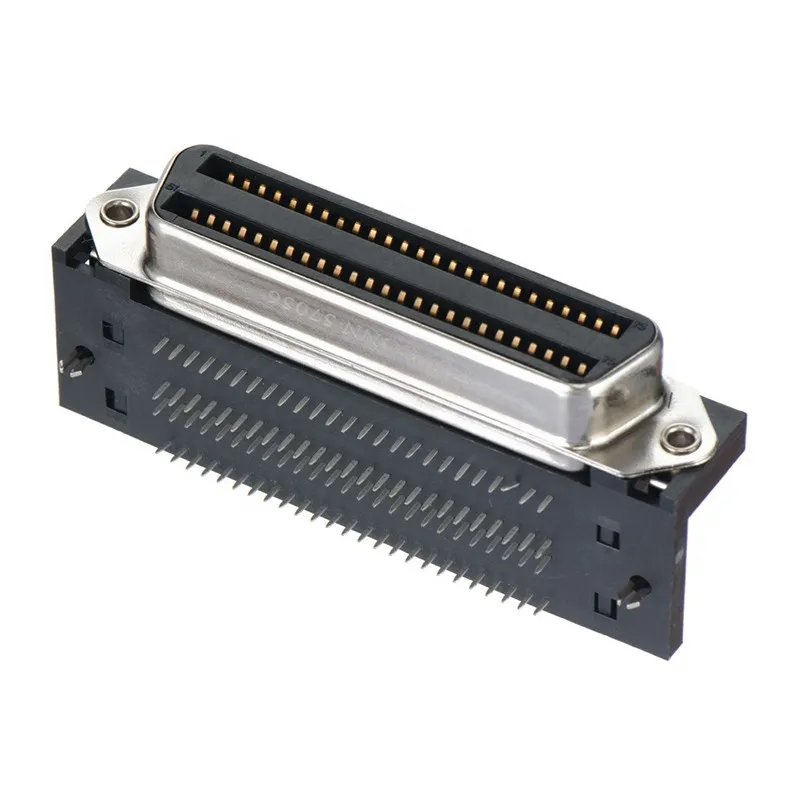
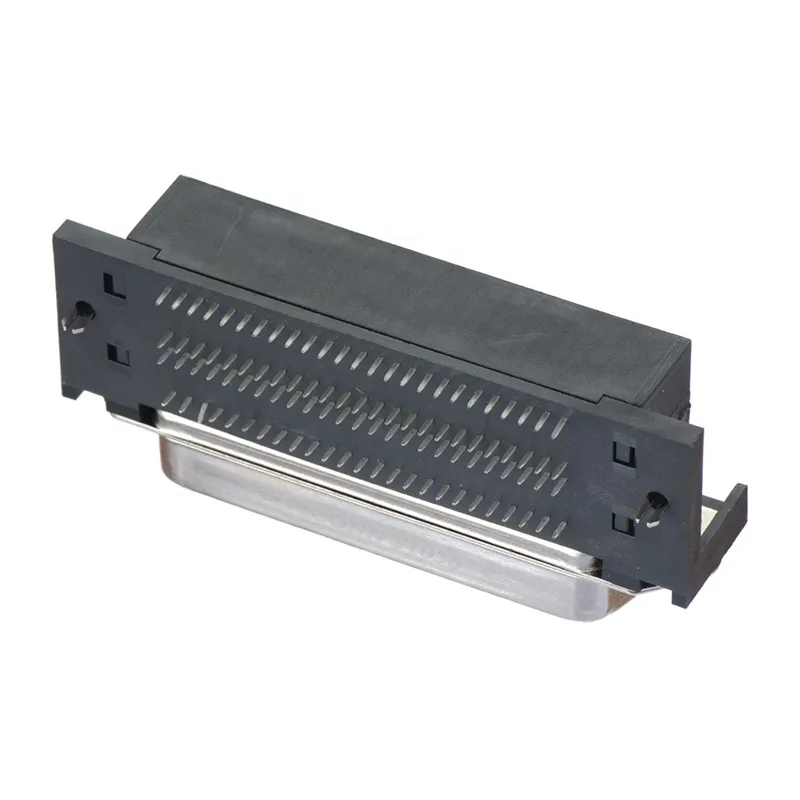
One of the key features of champ connectors is their ability to handle various signal types, including power, data, and audio. This makes them an ideal choice for complex circuits that require the transmission of multiple types of signals. Additionally, champ connectors are available in different configurations, such as Delander 64pin Connector Wire Type, Centronic 100pin Female Receptacle, and Delander 64pin Connector PCB Type, allowing for customization based on specific circuit requirements.
Factors to Consider Before Using Champ Connectors
Before integrating champ connectors into a circuit, it's essential to consider several factors to ensure optimal performance.
Electrical Requirements
The first step is to understand the electrical requirements of the circuit. This includes the voltage, current, and signal frequency that the connector will need to handle. Selecting a connector with the appropriate electrical ratings is crucial to prevent overheating, signal loss, and other electrical issues. For example, if a circuit requires high-speed data transmission, a connector with low impedance and high bandwidth capabilities should be chosen.
Mechanical Considerations
Mechanical factors also play a significant role in the selection of champ connectors. The connector should be able to withstand the mechanical stresses and vibrations that it may encounter during operation. This includes factors such as the connector's size, shape, and mounting method. For instance, in applications where space is limited, a compact connector may be required. Additionally, the connector's locking mechanism should be reliable to prevent accidental disconnection.
Environmental Conditions
The environmental conditions in which the circuit will operate can also impact the performance of champ connectors. Factors such as temperature, humidity, and exposure to chemicals or dust can affect the connector's reliability and lifespan. In harsh environments, connectors with appropriate environmental seals and coatings should be selected to protect against corrosion and other forms of damage.
Optimizing the Installation of Champ Connectors
Once the appropriate champ connectors have been selected, proper installation is crucial to ensure optimal performance.
PCB Design
When designing the PCB, it's important to consider the placement and routing of the connectors. The connectors should be placed in a location that allows for easy access and connection. Additionally, the traces on the PCB should be designed to minimize signal interference and impedance mismatches. This can be achieved by following proper PCB design guidelines, such as maintaining appropriate trace widths and spacing.
Cable Management
Proper cable management is also essential for optimizing the use of champ connectors. The cables should be routed in a way that minimizes stress on the connectors and prevents tangling. Additionally, the cables should be secured to prevent movement and vibration. This can be achieved by using cable ties, clamps, or other cable management solutions.
Assembly and Testing
During the assembly process, it's important to follow the manufacturer's instructions carefully to ensure proper installation of the connectors. This includes using the correct tools and techniques for soldering or crimping the connectors. After installation, the circuit should be thoroughly tested to ensure that the connectors are functioning properly. This can include testing for continuity, signal integrity, and electrical performance.
Maintenance and Troubleshooting
Regular maintenance and troubleshooting are essential for ensuring the long-term performance of champ connectors.
Maintenance
To maintain the reliability of champ connectors, regular inspections should be conducted to check for signs of wear, damage, or corrosion. This can include visually inspecting the connectors for loose pins, bent contacts, or other forms of damage. Additionally, the connectors should be cleaned periodically to remove any dirt, dust, or debris that may accumulate over time.
Troubleshooting
If a problem is detected with a champ connector, it's important to troubleshoot the issue promptly to minimize downtime. This can involve using diagnostic tools to identify the source of the problem, such as a multimeter or an oscilloscope. Once the problem has been identified, appropriate corrective actions can be taken, such as replacing the connector or repairing the damaged components.
Conclusion
Optimizing the use of champ connectors in a circuit is a complex process that requires careful consideration of several factors, including electrical requirements, mechanical considerations, environmental conditions, installation, maintenance, and troubleshooting. As a champ connector supplier, we are committed to providing our customers with high-quality connectors and expert advice to help them achieve optimal performance in their circuits.
If you're interested in learning more about our champ connectors or have any questions about optimizing their use in your circuits, we encourage you to contact us for a procurement discussion. Our team of experts is ready to assist you in finding the right connectors for your specific needs and providing you with the support you need to ensure the success of your projects.
References
- Grob, Bernard. "Grob's Basic Electronics." McGraw-Hill Education, 2017.
- Montrose, Mark I. "Printed Circuit Board Design Techniques for EMC Compliance: A Handbook for Designers." Wiley-IEEE Press, 2000.
- Terman, Frederick Emmons. "Radio Engineers' Handbook." McGraw-Hill, 1943.