

Hey there! As a supplier of connector pins for automotive, I've seen firsthand the importance of reliability in these little but crucial components. In the automotive world, connector pins are like the unsung heroes. They ensure that all the electrical systems in a vehicle communicate smoothly, from the engine control unit to the entertainment system. A single unreliable pin can lead to all sorts of problems, like electrical malfunctions, system failures, and even safety hazards. So, let's dive into how we can improve the reliability of these connector pins.
Material Selection
The first step in improving reliability is choosing the right materials. We all know that automotive environments are tough. There's heat, vibration, moisture, and all sorts of chemicals floating around. So, the materials we use for connector pins need to be able to withstand these conditions.
For the pin itself, high - quality metals are a must. Copper is a popular choice because it has excellent electrical conductivity. But pure copper can be a bit soft, so often we use copper alloys. For example, copper - beryllium alloys are known for their high strength, good fatigue resistance, and excellent electrical properties. They can handle the constant vibrations in a vehicle without deforming easily.
The plating on the pins is also super important. A good plating can protect the base metal from corrosion. Gold is one of the best plating materials as it's highly resistant to oxidation and has low contact resistance. However, it's expensive. So, often we use nickel as an under - plating and then a thin layer of gold on top. Tin plating is another option. It's more affordable and has decent corrosion resistance, but it might not be as good in high - temperature or high - humidity environments.
Design Optimization
The design of the connector pins can have a huge impact on their reliability. First off, the shape of the pin matters. A well - designed pin should have a proper contact area. If the contact area is too small, the resistance will be high, which can lead to overheating. On the other hand, if it's too large, it might not fit properly in the connector housing.

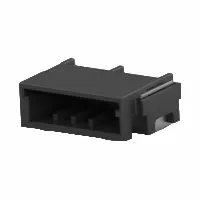
We also need to consider the mechanical design. For example, the way the pins are held in the connector housing is crucial. A secure fit can prevent the pins from moving around due to vibrations. Some connectors use a press - fit design, where the pins are tightly held in place by the housing. Others use a locking mechanism to ensure that the pins stay in position.
Another aspect of design is the mating of the pins. When two connectors are mated, the pins should align properly. Misalignment can cause uneven contact, which can lead to higher resistance and potential failure. So, we design the connectors with alignment features, like guide pins or keyways, to make sure that the mating process is smooth and accurate.
Manufacturing Precision
Manufacturing is where all our good design and material choices come to life. But it's also a process that can introduce a lot of variability if not done right.
Precision machining is key. We use advanced machining techniques to ensure that the pins are made to the exact specifications. For example, the diameter of the pin needs to be within a very tight tolerance. Even a small deviation can affect the fit and the electrical performance.
Quality control during manufacturing is also essential. We use a variety of inspection methods, like optical inspection and electrical testing. Optical inspection can detect any surface defects, like scratches or burrs, which can affect the performance of the pins. Electrical testing, on the other hand, can measure the resistance and continuity of the pins to make sure they meet the required standards.
Environmental Testing
Before the connector pins are shipped out, we subject them to a series of environmental tests. These tests simulate the real - world conditions that the pins will face in a vehicle.
Temperature cycling is one of the most important tests. We expose the pins to a wide range of temperatures, from very cold to very hot. This can help us identify any issues with thermal expansion and contraction. For example, if the plating and the base metal have different coefficients of thermal expansion, they might separate over time.
Vibration testing is also crucial. We use vibration tables to shake the connectors at different frequencies and amplitudes. This can help us check if the pins are securely held in the housing and if they can withstand the constant vibrations in a vehicle.
Humidity and salt - spray tests are used to evaluate the corrosion resistance of the pins. In a humidity test, we expose the pins to a high - humidity environment for a certain period of time. In a salt - spray test, we spray a salt solution on the pins to simulate the harsh conditions near the ocean or in areas where road salt is used.
Our Product Offerings
We have a wide range of connector pins for automotive applications. For example, our 4.0mm Pitch 35pin ECU Connector is designed specifically for engine control units. It uses high - quality copper alloys and has a precise design to ensure reliable electrical connections.
Our 10 Pin Automotive Customized Pin Header can be customized according to your specific requirements. Whether you need a different pin layout or a special plating, we can make it happen.
And don't forget our MQS 8pin PCB Header. It's a great option for printed circuit board applications in vehicles. It's designed to be easy to install and has excellent electrical performance.
Conclusion
Improving the reliability of connector pins for automotive is a multi - step process. It starts with choosing the right materials, optimizing the design, manufacturing with precision, and conducting thorough environmental testing. By doing all these things, we can ensure that our connector pins can withstand the harsh automotive environment and provide reliable electrical connections.
If you're in the market for high - quality connector pins for your automotive applications, we'd love to hear from you. Whether you have a specific project in mind or just want to learn more about our products, feel free to reach out for a procurement discussion. We're here to help you find the best connector pin solutions for your needs.
References
- "Automotive Electrical and Electronic Systems" by William H. Crouse and Donald L. Anglin.
- "Connectors in Electronics" by Ronald B. Standley.