

Hey there! As someone who's been in the automotive PCB connectors game for quite a while, I know how tricky it can be to pick the right ones. There are so many options out there, and making the wrong choice can lead to all sorts of headaches down the road. So, I thought I'd share some tips on how to choose the right automotive PCB connectors, based on my experience as a supplier.
Understanding Your Requirements
First things first, you need to figure out what you actually need. The automotive industry is super diverse, and different applications call for different types of connectors. For example, if you're working on a high - speed data transmission system in a modern electric vehicle, you'll need connectors that can handle high frequencies and fast data rates without much signal loss.
On the other hand, if it's a simple power distribution system in an older model car, you might focus more on the connector's current - carrying capacity and its ability to withstand vibrations and temperature changes. Think about the environment where the connector will be used. Is it going to be exposed to extreme temperatures, moisture, or chemicals? These factors can have a huge impact on the connector's performance and lifespan.
Connector Types
There are several types of automotive PCB connectors, and each has its own pros and cons.
Board - to - Board Connectors
These are used to connect two printed circuit boards together. They come in different sizes and pin configurations. For applications where space is limited, you might want to go for a low - profile board - to - board connector. These connectors are great for compact automotive electronics, like in - car infotainment systems.
Wire - to - Board Connectors
As the name suggests, these connectors are used to connect wires to a printed circuit board. They're very common in automotive wiring harnesses. When choosing wire - to - board connectors, pay attention to the wire gauge they can accommodate. Using the wrong wire gauge can lead to poor electrical connections and potential safety hazards.
Circular Connectors
Circular connectors are known for their durability and resistance to environmental factors. They're often used in harsh automotive environments, such as engine compartments. The circular design provides a good seal against dust, water, and other contaminants. For example, our AMPSEAL 8pin 4.0mm Pitch Header Vertical is a great option for applications that require a reliable circular connector. It's designed to handle the rigors of the automotive environment while providing a stable electrical connection.
Electrical Performance
The electrical performance of a connector is crucial. You need to look at parameters like contact resistance, insulation resistance, and dielectric strength.
Contact resistance should be as low as possible. High contact resistance can cause power losses, heat generation, and even signal degradation. Insulation resistance, on the other hand, should be high to prevent electrical leakage. Dielectric strength determines the connector's ability to withstand high voltages without breaking down.
For high - power applications, make sure the connector can handle the required current without overheating. You can check the connector's current - rating specifications provided by the manufacturer.
Mechanical Considerations
Automotive environments are tough on connectors. Vibration, shock, and mechanical stress are all part of the deal. So, you need to choose connectors that can withstand these conditions.
Look for connectors with good locking mechanisms. A secure lock ensures that the connector stays in place, even when the vehicle is moving or experiencing vibrations. The material of the connector housing also matters. Plastic housings are lightweight and can be cost - effective, but they might not be as strong as metal housings in some cases.
If you're dealing with a connector that will be mated and unmated frequently, consider its mating cycles. Some connectors are designed to handle a large number of mating and unmating operations without losing their performance.
Compatibility
Compatibility is another important factor. The connector you choose should be compatible with your PCB design, including the board's layout, pin configuration, and mounting holes. Make sure the connector's pitch (the distance between adjacent pins) matches the pitch on your PCB.
Also, consider the compatibility with other components in your system. For example, if you're using a specific type of wire or cable, the connector should be able to work well with it.
Cost
Let's face it, cost is always a consideration. But don't just go for the cheapest option. A low - cost connector might end up costing you more in the long run if it fails to perform as expected. Instead, look for a balance between cost and quality.
Some connectors might have additional features that you don't really need. Avoid paying for features that won't benefit your specific application. At the same time, investing in a high - quality connector can save you money on maintenance and replacement costs down the line.
Supplier Reputation
As a supplier myself, I know how important it is to have a good reputation. When choosing a supplier for your automotive PCB connectors, do your research. Look for suppliers with a track record of providing high - quality products and good customer service.
Read reviews from other customers. A supplier that stands behind their products and offers technical support can be a big help, especially if you run into any issues during the installation or use of the connectors.
Our Product Range
We offer a wide range of automotive PCB connectors to meet different needs. For example, our AMPSEAL 14pin 4.0mm Pitch Housing Wire Type is a popular choice for wiring harness applications. It provides a reliable connection and is designed to withstand the harsh automotive environment.
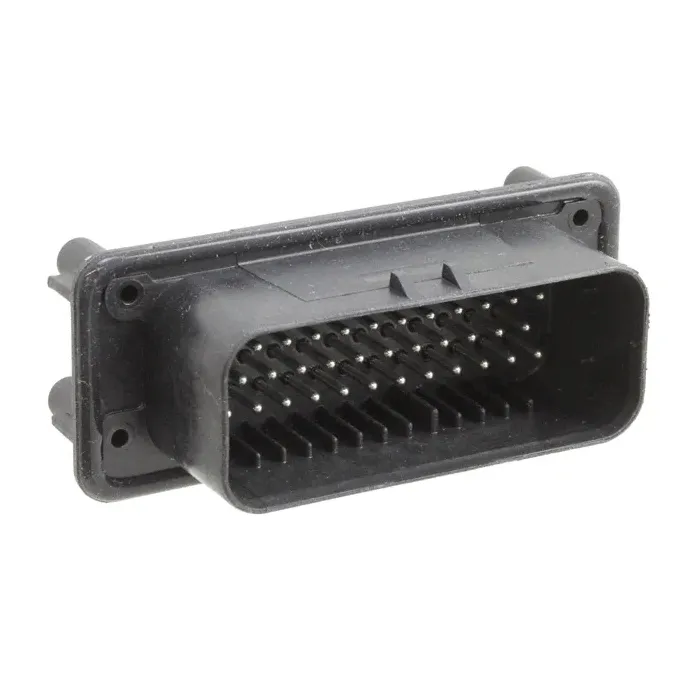
Another great option is our AMPSEAL 35pin 4.0mm Pitch Header Right Angled. This connector is ideal for applications where space is limited and a right - angled connection is required.
Conclusion
Choosing the right automotive PCB connectors is a process that requires careful consideration of your requirements, the connector's electrical and mechanical performance, compatibility, cost, and the supplier's reputation. By taking the time to evaluate these factors, you can ensure that you select connectors that will provide reliable performance in your automotive applications.

If you're in the market for automotive PCB connectors and have any questions or need help with your selection, don't hesitate to reach out. We're here to assist you in finding the perfect connectors for your project.
References
- "Automotive Electrical and Electronic Systems" by William H. Crouse and Donald L. Anglin
- Industry standards and specifications from organizations like the Society of Automotive Engineers (SAE)