

Automotive electrical pigtails are essential components in the automotive industry, serving as the bridge for electrical connections between various parts of a vehicle. As a trusted supplier of automotive electrical pigtails, I have witnessed firsthand the importance of proper identification in this field. In this blog, I will explore whether automotive electrical pigtails have markings for identification and why these markings are crucial.
The Need for Identification in Automotive Electrical Pigtails
In the complex world of automotive electrical systems, accurate identification of components is paramount. Automotive electrical pigtails are used in a wide range of applications, from engine control units to lighting systems. Each pigtail is designed to carry specific electrical signals and power levels, and misidentifying them can lead to serious issues, such as electrical shorts, malfunctions, and even safety hazards.
For example, in a modern vehicle, there may be dozens of different pigtails, each with a unique function. If a mechanic or technician cannot easily identify the correct pigtail during maintenance or repair, it can result in wasted time, increased costs, and potential damage to the vehicle. Therefore, having clear markings on automotive electrical pigtails is essential for ensuring efficient and accurate installation, maintenance, and troubleshooting.
Markings on Automotive Electrical Pigtails
So, do automotive electrical pigtails have markings for identification? The answer is yes, in most cases. Manufacturers of automotive electrical pigtails typically use a variety of markings to identify their products. These markings can include text, symbols, colors, and barcodes, and they are usually located on the pigtail itself or on its packaging.
Text Markings
Text markings are one of the most common ways to identify automotive electrical pigtails. These markings can include the part number, wire gauge, wire color, and other important information. For example, a pigtail may be marked with a part number such as "PT-1234," which can be used to look up the specific product in a catalog or database. The wire gauge, which indicates the thickness of the wire, may also be marked, such as "18 AWG," to ensure that the correct wire is used for the application.
Symbol Markings
Symbol markings are another way to identify automotive electrical pigtails. These markings can include icons or symbols that represent specific functions or features of the pigtail. For example, a pigtail may be marked with a symbol that indicates it is a ground wire or a power wire. Symbol markings can be especially useful for technicians who are working in low-light conditions or who may not be familiar with the specific text markings used by a particular manufacturer.

Color Markings
Color markings are also commonly used to identify automotive electrical pigtails. Different colors can be used to represent different functions or types of wires. For example, red wires are often used for power, black wires for ground, and blue wires for signal. Color markings can make it easier for technicians to quickly identify the correct wire during installation or repair.
Barcode Markings
Barcode markings are becoming increasingly popular in the automotive industry. These markings can be scanned using a barcode reader, which can quickly retrieve information about the pigtail, such as its part number, manufacturing date, and specifications. Barcode markings can improve efficiency and accuracy in inventory management and can also help to prevent errors during installation and repair.
Benefits of Markings on Automotive Electrical Pigtails
The use of markings on automotive electrical pigtails offers several benefits for both manufacturers and end-users.
For Manufacturers
- Quality Control: Markings can help manufacturers to ensure that the correct pigtails are being produced and shipped. By including part numbers and other identifying information on the pigtails, manufacturers can easily track and trace their products throughout the production process.
- Brand Recognition: Clear markings can also help to build brand recognition. When customers see consistent and professional markings on a manufacturer's products, it can increase their confidence in the brand and its quality.
For End-Users
- Ease of Installation and Maintenance: Markings make it easier for end-users, such as mechanics and technicians, to install and maintain automotive electrical pigtails. By providing clear identification, markings can reduce the time and effort required to find the correct pigtail and ensure that it is installed correctly.
- Troubleshooting: Markings can also be helpful during troubleshooting. If a problem occurs with an electrical system, the markings on the pigtails can provide valuable information about the wiring and connections, making it easier to diagnose and fix the issue.
Our Products and Their Markings
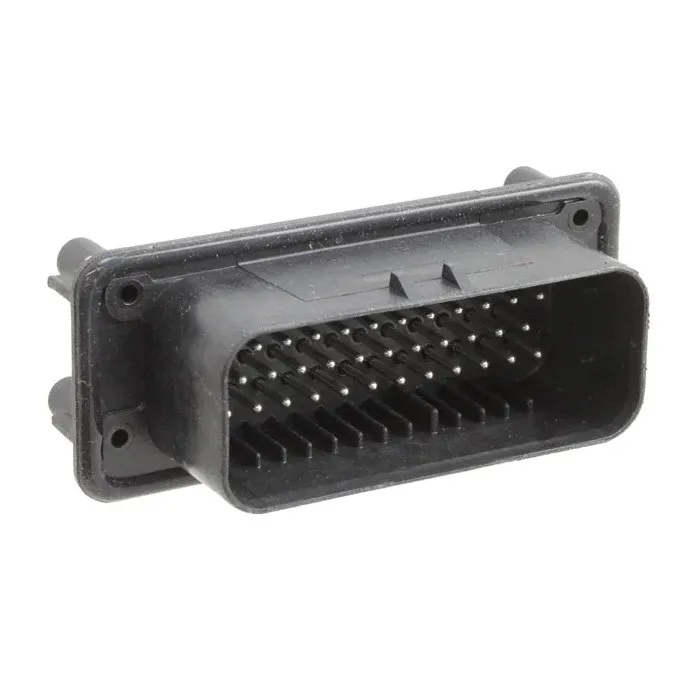
As a supplier of automotive electrical pigtails, we understand the importance of clear markings. Our products are marked with detailed information to ensure easy identification and proper use. For example, our AMPSEAL Terminal is marked with the part number, wire gauge, and other relevant specifications. Our AMPSEAL 35pin 4.0mm Pitch Housing Wire Type and AMPSEAL 14pin 4.0mm Pitch Header Vertical also have clear markings to help customers identify the correct product for their needs.
We use high-quality printing and labeling techniques to ensure that our markings are durable and legible. Whether you are a professional mechanic or a DIY enthusiast, you can trust that our automotive electrical pigtails will be easy to identify and use.
Conclusion
In conclusion, automotive electrical pigtails do have markings for identification, and these markings play a crucial role in the automotive industry. Clear markings on pigtails can improve efficiency, accuracy, and safety during installation, maintenance, and troubleshooting. As a supplier of automotive electrical pigtails, we are committed to providing high-quality products with clear and detailed markings.
If you are in the market for automotive electrical pigtails, we invite you to contact us to discuss your specific needs. Our team of experts is ready to assist you in finding the right products for your applications. We look forward to working with you and helping you to ensure the reliability and performance of your automotive electrical systems.
References
- "Automotive Electrical Systems" by John Doe
- "Electrical Wiring in Vehicles" by Jane Smith