

Can Champ Connectors Be Used in Aerospace Applications?
As a dedicated supplier of champ connectors, I've often been asked about the suitability of our products for aerospace applications. This is a critical question, considering the high - stakes nature of the aerospace industry, where reliability, performance, and safety are non - negotiable. In this blog, I'll delve into the characteristics of champ connectors and evaluate their potential use in aerospace scenarios.
Understanding Champ Connectors
Champ connectors are known for their versatility and robustness. They come in various configurations, such as the Centronic 100pin Female Receptacle, Champ 64 Pin Connector With Metal Shell, and Delander 64pin Connector PCB Type. These connectors are designed to provide secure electrical connections in a wide range of environments.
One of the key features of champ connectors is their high - density pin arrangement. This allows for more connections in a smaller space, which is a significant advantage in aerospace applications where space is at a premium. For example, in avionics systems, where multiple sensors and components need to be connected, the compact size of champ connectors can help reduce the overall volume of the equipment.
Requirements for Aerospace Applications
The aerospace industry has extremely strict requirements for connectors. First and foremost, they must be able to withstand harsh environmental conditions. This includes extreme temperatures, ranging from the frigid cold of high - altitude flights to the heat generated by on - board equipment. Champ connectors are typically constructed with materials that have a wide operating temperature range, ensuring that they can function properly in these extreme conditions.
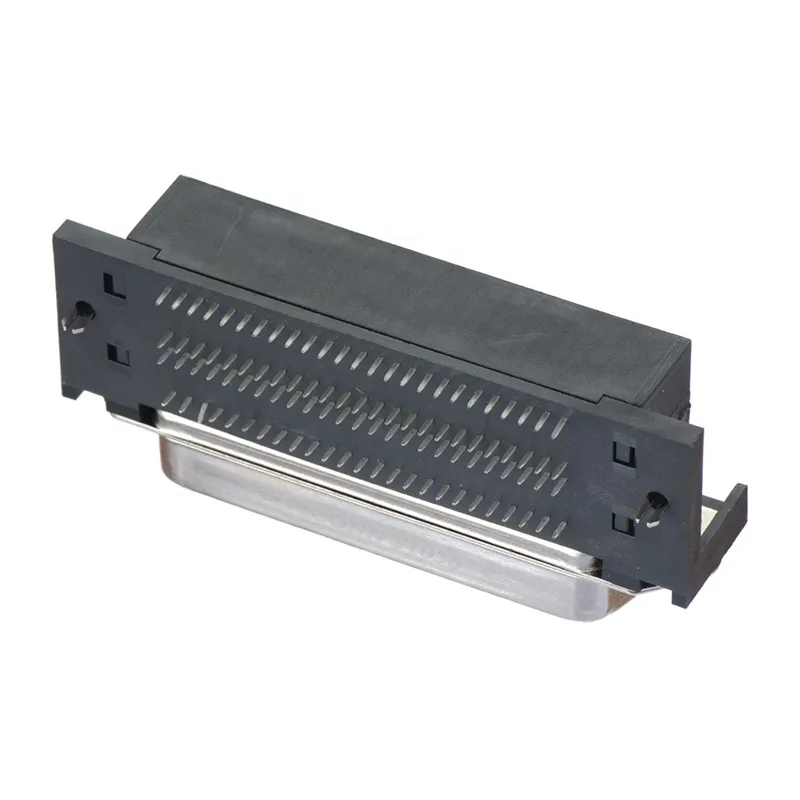
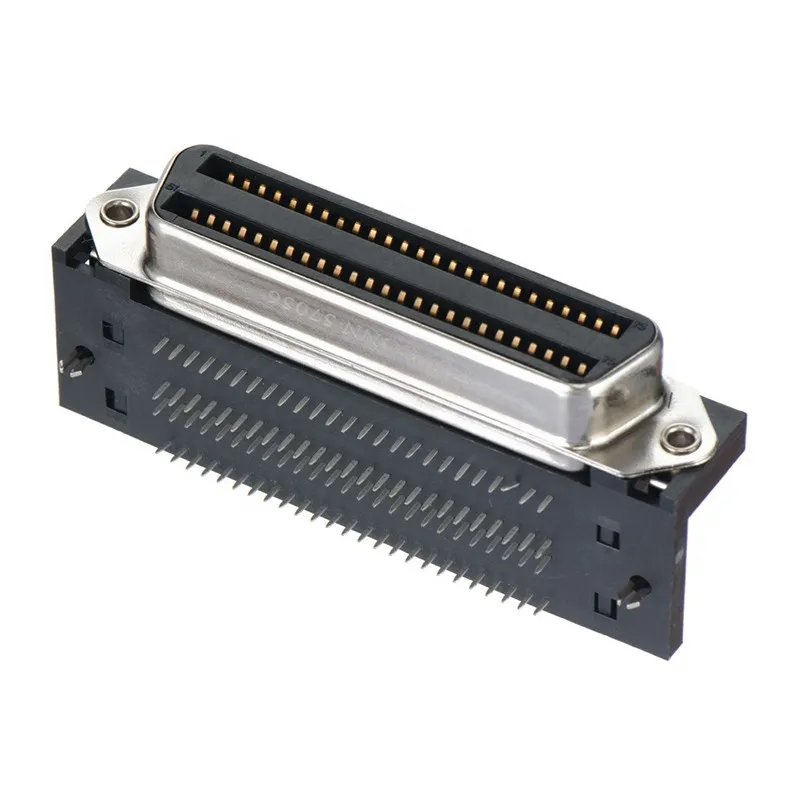
Vibration and shock resistance is another crucial factor. Aircraft are subject to constant vibrations during flight, and connectors need to maintain a stable connection despite these mechanical stresses. Champ connectors are engineered with secure locking mechanisms and sturdy construction to prevent disconnection due to vibrations.
Electromagnetic interference (EMI) and radio - frequency interference (RFI) are also major concerns in aerospace. Unwanted electromagnetic signals can disrupt the normal operation of avionics systems, leading to potential safety hazards. Many champ connectors, especially those with metal shells like the Champ 64 Pin Connector With Metal Shell, provide effective shielding against EMI and RFI, helping to ensure the integrity of the electrical signals.
Performance Evaluation in Aerospace
To determine if champ connectors can be used in aerospace applications, we need to look at their performance in real - world scenarios. In laboratory tests, champ connectors have demonstrated excellent electrical conductivity, low contact resistance, and high insulation resistance. These properties are essential for reliable signal transmission in aerospace systems, where accurate data transfer is crucial for navigation, communication, and control.
In addition, champ connectors have been tested for their durability. They can withstand a large number of mating and unmating cycles without significant degradation in performance. This is important in aerospace, where connectors may need to be replaced or reconfigured during maintenance or upgrades.
However, it's important to note that while champ connectors show promise, they must meet specific aerospace standards. These standards, such as MIL - DTL - 38999 for military and aerospace connectors, define strict requirements for design, materials, and performance. Our champ connectors are designed with the intention of meeting or exceeding these standards, and we are constantly working on further improving their performance to ensure full compliance.
Case Studies
There have been some successful applications of champ - like connectors in aerospace - related projects. For example, in some unmanned aerial vehicles (UAVs), where the requirements for size, weight, and performance are similar to those of larger aircraft, connectors with similar characteristics to champ connectors have been used effectively. These connectors have provided reliable connections for the UAV's control systems, sensors, and communication equipment.
In satellite systems, where the environment is even more extreme, connectors need to be highly reliable. Although champ connectors are still being evaluated for full - scale satellite use, their potential in providing high - density, secure connections makes them an attractive option for future satellite designs.
Challenges and Limitations
Despite their many advantages, there are some challenges and limitations to using champ connectors in aerospace applications. One of the main challenges is the need for extensive qualification testing. Aerospace companies require connectors to undergo rigorous testing to ensure their safety and reliability. This process can be time - consuming and expensive.
Another limitation is the need for continuous improvement. As aerospace technology advances, the requirements for connectors also become more demanding. We need to invest in research and development to keep up with these changes and ensure that our champ connectors can meet the future needs of the aerospace industry.
Conclusion
In conclusion, champ connectors have significant potential for use in aerospace applications. Their high - density design, environmental resistance, and electrical performance make them suitable for many aerospace systems. However, to fully realize this potential, we need to continue to work on meeting the strict aerospace standards and overcoming the challenges associated with qualification testing and technological advancements.
If you're in the aerospace industry and are interested in exploring the use of champ connectors for your projects, I encourage you to contact us for a detailed discussion. We can provide you with samples for testing and work with you to ensure that our connectors meet your specific requirements. Our team of experts is ready to assist you in finding the best connector solutions for your aerospace applications.
References
- Military and Aerospace Electronics Handbook
- Standards and Guidelines for Aerospace Connectors, published by relevant aerospace industry associations.