

Hey there! As a supplier of automotive wiring pins, I often get asked if these pins can be used in other non - automotive applications. Well, let's dive right into it and find out.
First off, let's talk a bit about what automotive wiring pins are. They're basically small, metal connectors designed to transmit electrical signals and power within a vehicle's electrical system. These pins are built to withstand some pretty tough conditions, like high temperatures, vibrations, and exposure to various chemicals.
One of the key reasons why people might wonder if they can use automotive wiring pins in non - automotive settings is their durability. In a car, these pins have to work around the clock, under the hood where it can get super hot, and in the chassis where there's a lot of shaking going on. So, you'd think they'd be a good fit for other applications that also need reliable electrical connections, right?

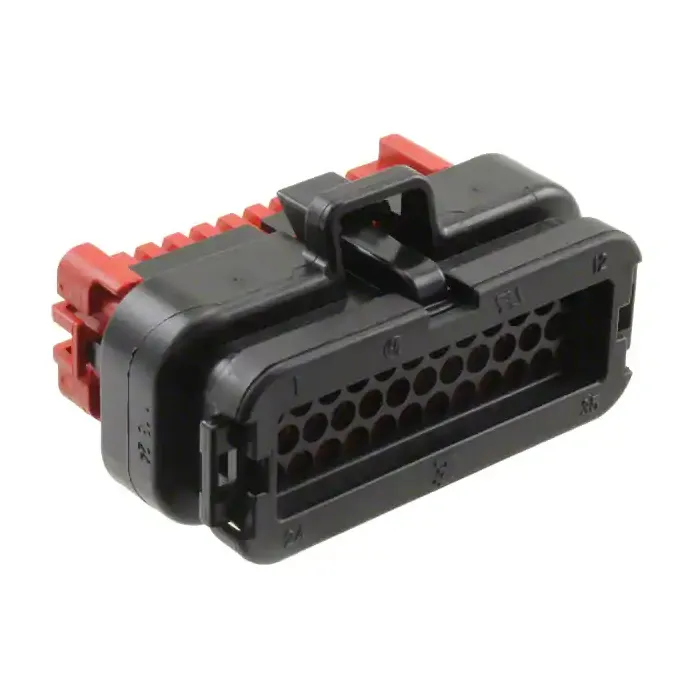
Let's take a look at some potential non - automotive applications. Industrial machinery is one area where automotive wiring pins could potentially be used. Factories have all sorts of equipment that requires electrical connections. Some of these machines operate in harsh environments with high levels of vibration and dust. Automotive wiring pins, with their rugged design, could handle these conditions well. For example, in a manufacturing plant that produces heavy metal parts, the machinery is constantly shaking and generating a lot of heat. Using automotive wiring pins could ensure that the electrical connections remain stable and reliable, reducing the risk of downtime due to electrical failures.
Another area is marine applications. Boats are exposed to water, salt, and extreme weather conditions. Electrical systems on boats need to be waterproof and corrosion - resistant. Many automotive wiring pins are designed with protective coatings that can resist moisture and corrosion. So, they could be a great option for connecting electrical components on a boat, such as navigation lights, pumps, and radios. However, it's important to make sure that the pins are properly sealed to prevent water from getting in and causing short - circuits.
Renewable energy systems, like solar panels and wind turbines, are also candidates for using automotive wiring pins. These systems are often installed outdoors, where they're exposed to the elements. The electrical connections need to be able to withstand UV rays, rain, and temperature fluctuations. Automotive wiring pins, with their ability to handle a wide range of temperatures and environmental conditions, could provide a reliable solution for connecting the various components of a renewable energy system.
Now, let's talk about some of the products we offer. We have the AMPSEAL 8pin 4.0mm Pitch Header Vertical, which is a great option for applications that require a relatively small number of connections. It's designed with a 4.0mm pitch, which means the pins are spaced out in a way that allows for easy installation and connection. The vertical design makes it suitable for use in tight spaces where horizontal mounting might not be possible.
Our AMPSEAL 14pin 4.0mm Pitch Housing Wire Type is another popular product. With 14 pins, it can handle more complex electrical connections. The wire - type housing makes it easy to connect wires to the pins, and it's designed to be durable and resistant to damage.
If you need a vertical header with more pins, our AMPSEAL 14pin 4.0mm Pitch Header Vertical is a great choice. It offers the same 4.0mm pitch for easy installation and is built to last in tough environments.
However, there are also some considerations when using automotive wiring pins in non - automotive applications. One of the main issues is compatibility. Automotive wiring pins are designed to work with specific types of connectors and electrical systems in vehicles. In non - automotive applications, you need to make sure that the pins are compatible with the existing electrical components. This might require some modification or the use of adapters.
Another consideration is regulatory compliance. Different industries have their own set of standards and regulations for electrical components. For example, in the medical industry, electrical devices need to meet strict safety and performance standards. Before using automotive wiring pins in a non - automotive application, you need to make sure that they comply with the relevant regulations.
Cost is also a factor. While automotive wiring pins are generally durable, they might be more expensive than other types of electrical connectors. You need to weigh the cost against the benefits in terms of reliability and performance. In some cases, it might be more cost - effective to use a less expensive connector that still meets the requirements of the application.
In conclusion, automotive wiring pins can definitely be used in some non - automotive applications. Their durability, resistance to harsh conditions, and reliable performance make them a good option for industries like industrial machinery, marine, and renewable energy. However, you need to carefully consider compatibility, regulatory compliance, and cost before making a decision.
If you're interested in using our automotive wiring pins for your non - automotive application, we'd love to have a chat with you. We can help you figure out which products are the best fit for your needs and answer any questions you might have. Just reach out to us, and let's start the conversation about how we can provide you with the right electrical connection solutions.
References
- General knowledge of automotive and non - automotive electrical systems
- Industry standards and regulations for electrical components