

In the dynamic world of shipbuilding, the pursuit of innovation and efficiency is unending. As a dedicated supplier of box headers, I often find myself contemplating the diverse applications of our products. One question that frequently arises is whether a box header can be used in shipbuilding. In this blog post, I aim to explore this question in depth, drawing on my expertise and industry knowledge.
Understanding Box Headers
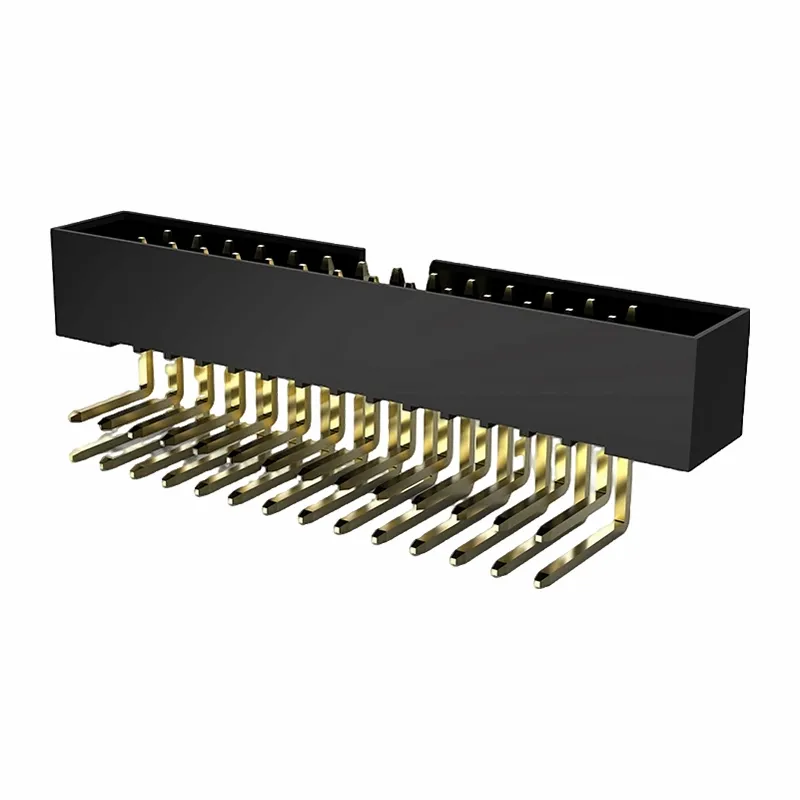
Before delving into the potential use of box headers in shipbuilding, it's essential to understand what box headers are. Box headers are electrical connectors that provide a reliable and secure way to connect various components in an electrical system. They typically consist of a plastic housing and metal contacts, which are designed to mate with corresponding pins or sockets.
Box headers come in a variety of sizes, configurations, and pitches to accommodate different applications. For instance, we offer 1.27mm Box Header Double Row Straight, 1.27mm Box Header Male Double Row Straight Stacker, and 1.27mm Box Header Double Row Right Angle DIP. These products are known for their high-quality construction, excellent electrical performance, and ease of use.
Shipbuilding Requirements
Shipbuilding is a complex and demanding industry that requires components to meet stringent standards. Ships operate in harsh environments, exposed to saltwater, extreme temperatures, vibrations, and mechanical stresses. Therefore, any component used in shipbuilding must be highly reliable, durable, and resistant to corrosion.
In addition to these environmental factors, ship electrical systems are often large and complex, requiring connectors that can handle high currents, provide low resistance, and maintain signal integrity. Safety is also a paramount concern, as electrical failures can have catastrophic consequences on board a ship.
Potential Applications of Box Headers in Shipbuilding
Given the requirements of shipbuilding, there are several potential applications where box headers could be used:
1. Control Systems
Ships are equipped with numerous control systems that manage various functions such as navigation, propulsion, and environmental control. These systems rely on electrical connections to transmit signals between sensors, actuators, and control units. Box headers can be used to connect these components, providing a secure and reliable electrical interface.
2. Communication Systems
Effective communication is crucial for the safe operation of a ship. Box headers can be used in communication systems to connect radios, satellite communication equipment, and other devices. Their ability to maintain signal integrity ensures clear and reliable communication, even in challenging conditions.
3. Monitoring Systems
Ships are also equipped with monitoring systems that track the performance of various systems and components. These systems use sensors to collect data, which is then transmitted to a central monitoring unit. Box headers can be used to connect these sensors to the monitoring unit, allowing for accurate and real-time data collection.
Advantages of Using Box Headers in Shipbuilding
There are several advantages to using box headers in shipbuilding:
1. Durability
Box headers are typically made from high-quality materials that are resistant to corrosion, moisture, and mechanical stress. This makes them well-suited for the harsh marine environment, ensuring long-term reliability and performance.
2. Ease of Installation
Box headers are designed for easy installation, which can save time and labor costs during the shipbuilding process. Their simple design allows for quick and straightforward connection, reducing the risk of installation errors.
3. Customization
Box headers can be customized to meet the specific requirements of a shipbuilding project. This includes options such as different pin counts, pitches, and mounting styles, ensuring a perfect fit for the application.
4. Cost-Effectiveness
Compared to some other types of connectors, box headers are relatively cost-effective. This makes them an attractive option for shipbuilders looking to reduce costs without compromising on quality.
Challenges and Considerations
While there are many potential benefits to using box headers in shipbuilding, there are also some challenges and considerations that need to be addressed:
1. Certification
To be used in shipbuilding, components must meet certain certification standards. Box headers need to be tested and certified to ensure they comply with relevant marine standards, such as those set by the International Maritime Organization (IMO) and classification societies like Lloyd's Register and Bureau Veritas.
2. Compatibility
It's important to ensure that the box headers are compatible with the other components in the ship's electrical system. This includes considering factors such as voltage, current, and signal requirements.
3. Maintenance
Regular maintenance is essential to ensure the continued performance of box headers in a ship's electrical system. Shipbuilders need to develop a maintenance plan that includes inspection, cleaning, and replacement of connectors as needed.
Conclusion
In conclusion, while there are challenges to overcome, there is significant potential for using box headers in shipbuilding. Their durability, ease of installation, customization options, and cost-effectiveness make them an attractive option for various applications in a ship's electrical system.
As a box header supplier, I am committed to working with shipbuilders to develop solutions that meet their specific needs. By providing high-quality products and technical support, we can help ensure the safe and reliable operation of ships.
If you are involved in shipbuilding and are interested in exploring the use of box headers in your projects, I encourage you to contact me. I would be happy to discuss your requirements and provide you with more information about our products.

References
- International Maritime Organization (IMO) regulations.
- Lloyd's Register shipbuilding standards.
- Bureau Veritas classification rules.